Posted on

Beaujolais Pierres Dorées: a wine collective on its way to gaining recognition for its wines

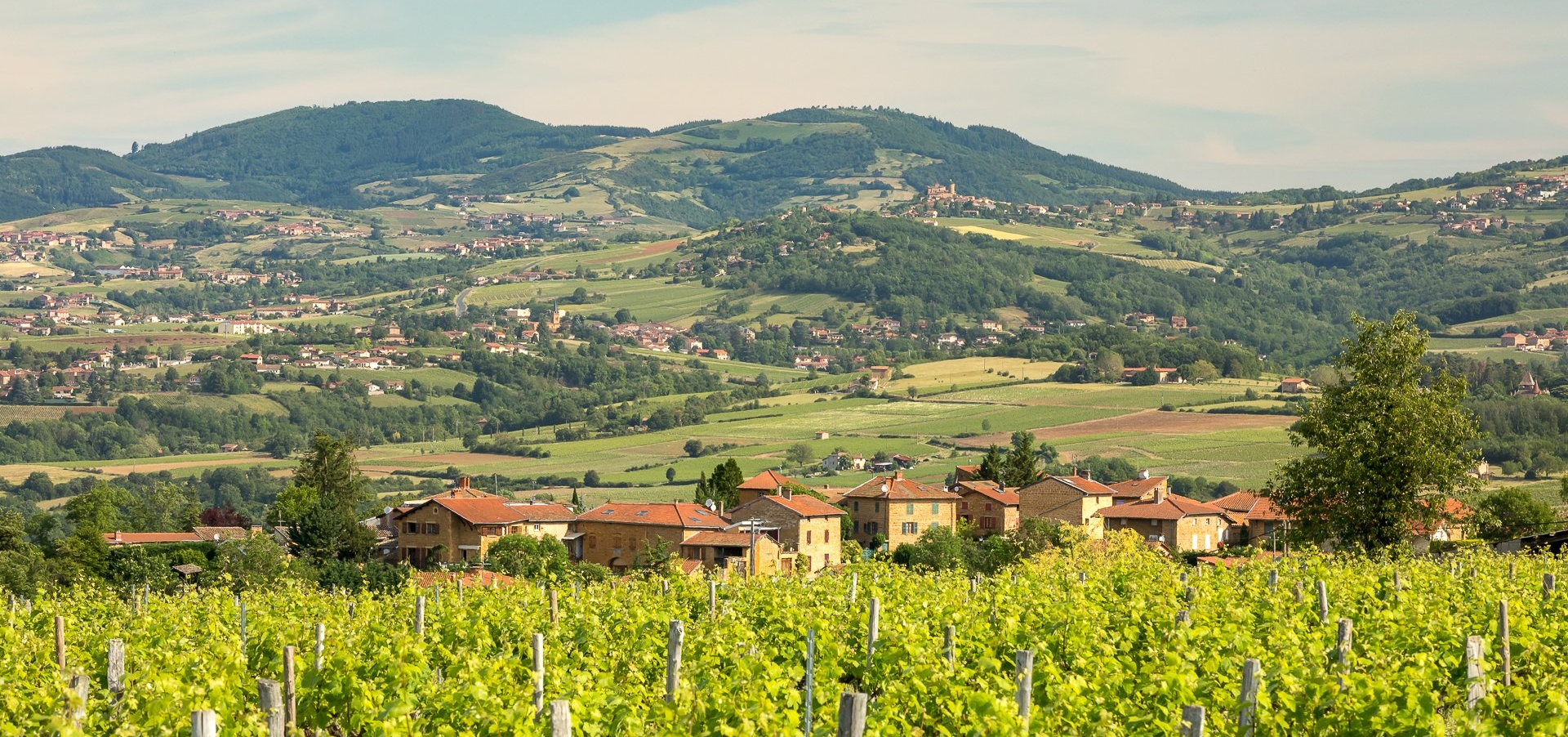
Paysage du Beaujolais Pierres dorées

Have you ever heard of the “Pierres Dorées”? Both a geographical area recognisable by the bright colours of the stones in its villages and a sector of the AOC Beaujolais, the Pierres Dorées are a veritable French gem! As proud of their heritage as they are of their terroirs, Pierres Dorées winemakers are striving to gain recognition for their wines. Their wish is to properly promote this facet of the Beaujolais region, which delights all those who have already discovered it. Focus on this very special area and on the “Beaujolais Pierres Dorées” collective’s approach.
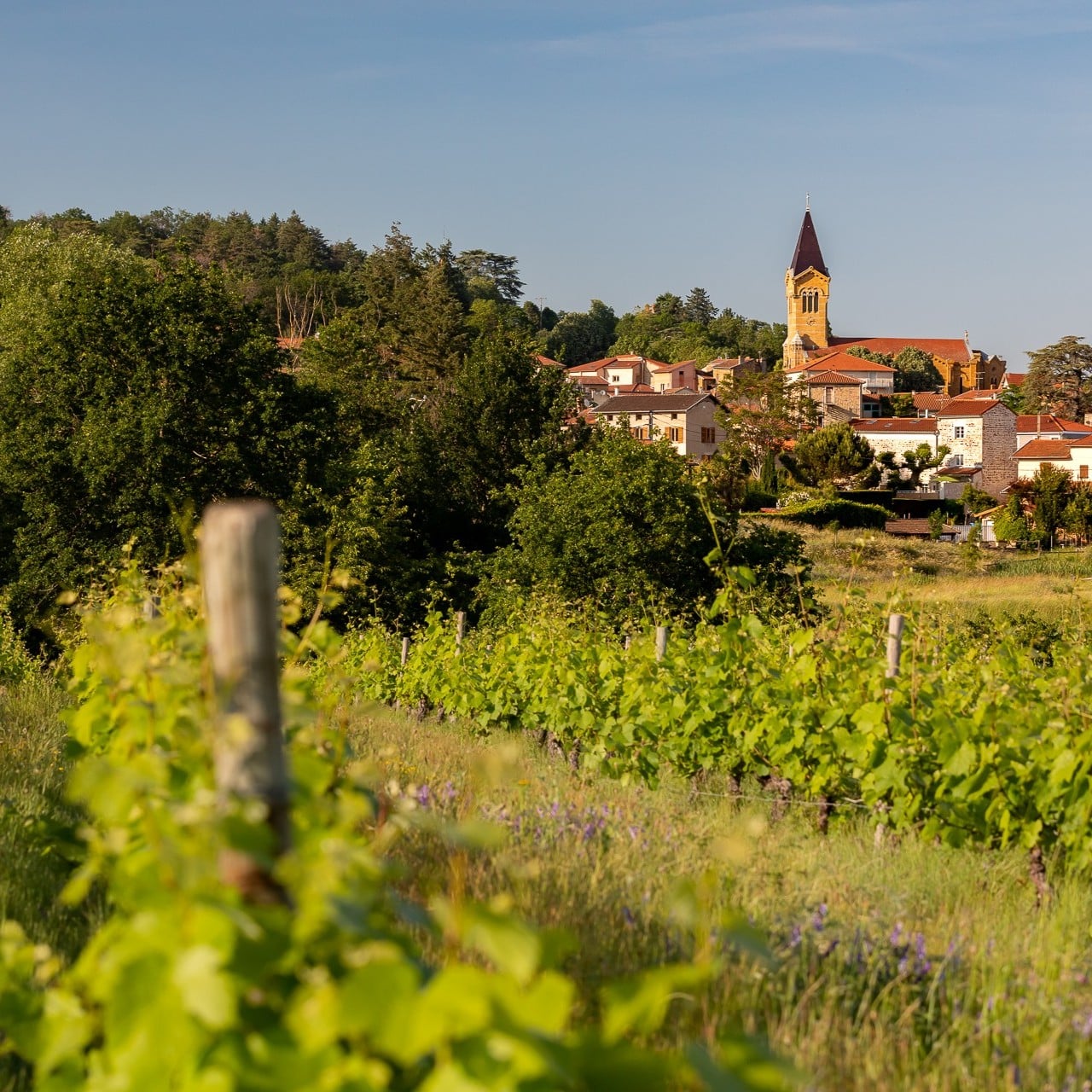
Vignes et village de Bully, Beaujolais Pierres Dorées, Etienne Ramousse
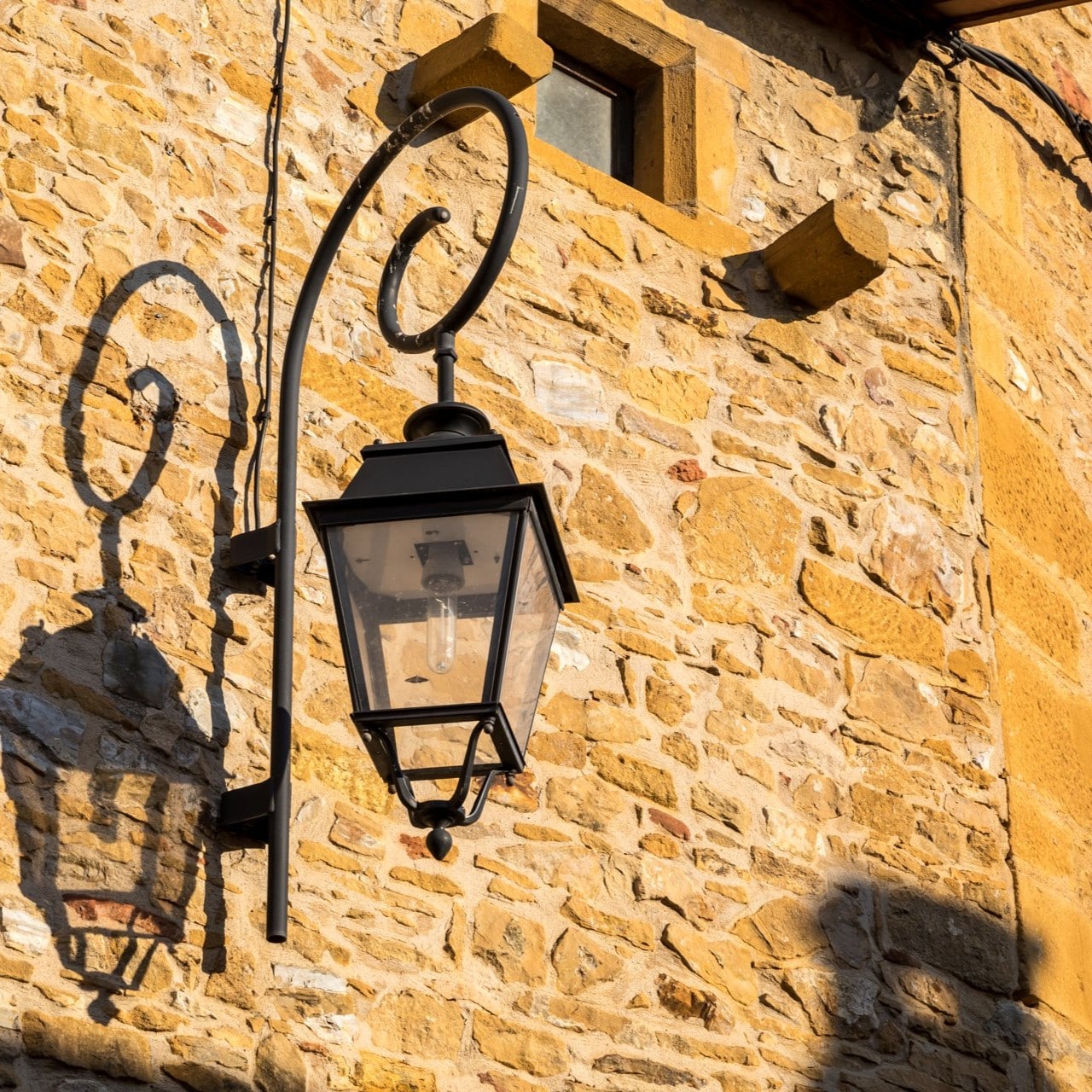
Mur de pierres dorées dans le Beaujolais, Etienne Ramousse

PIERRES DOREES: AN IDEAL TERROIR FOR WINEGROWING

Where are the Pierres Dorées?

In the south of the Beaujolais region, some 40 kilometres north of Lyon, lies a unique area called “Pierres Dorées”. The villages that make up the area, such as Pommiers, Theizé, Lachassagne, Val d’Oingt, Jarnioux, all have one thing in common: the undeniable beauty of their houses and bell towers built with golden stones which give the area its name – “pierres dorées” means “golden stones”. [cd1] This area of the Beaujolais region is a charming place, with its vine-covered hills, unique light and hilltop villages. Over the centuries, the Pierres Dorées area has alternated between polyculture and viticulture, which helps explain the various landscapes found there today. Imagine for a moment a painting depicting vineyards and golden buildings scattered here and there, wheatfields and meadows with grazing cows and sheep. A slice of heaven!

Cultivated since the Gallo-Roman era, vines are everywhere and are an integral part of the Pierres Dorées’ heritage. Today, more than 500 hectares of vines are cultivated under the “Beaujolais Pierres Dorées” designation. This area covers 43 communes in the Beaujolais appellation.

A complex geological history

While it may only stretch some 50 kilometres from south to north, the Beaujolais region is unique in that it is extremely rich in terms of geology. It is often described as a “mosaic”, in reference to the many different soils that can be found there. In fact, there are no less than 300 different types of soil in the Beaujolais region. In 2018, UNESCO recognised this distinctive feature by awarding the region the label “UNESCO Global Geopark”.

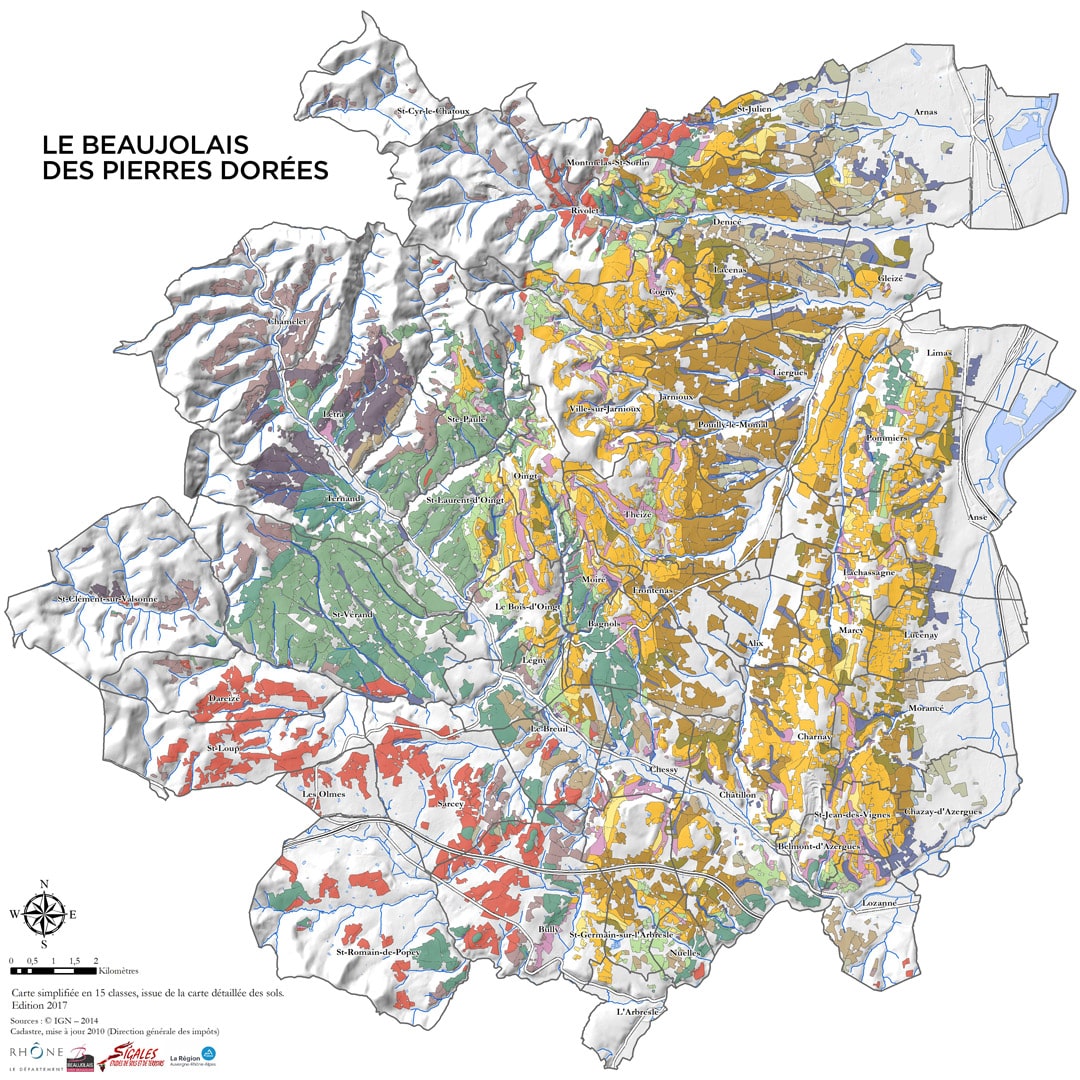
The richness of the Beaujolais soils is particularly obvious in the Pierres Dorées. Tectonic movements as well as the effects of volcanoes and oceans have all helped shape the area. It’s this history that makes the geology of the Pierres Dorées area one of the richest and most complex in France.
-> Find out more about the Beaujolais soils.

Pierres dorées : des roches calcaires sédimentaires
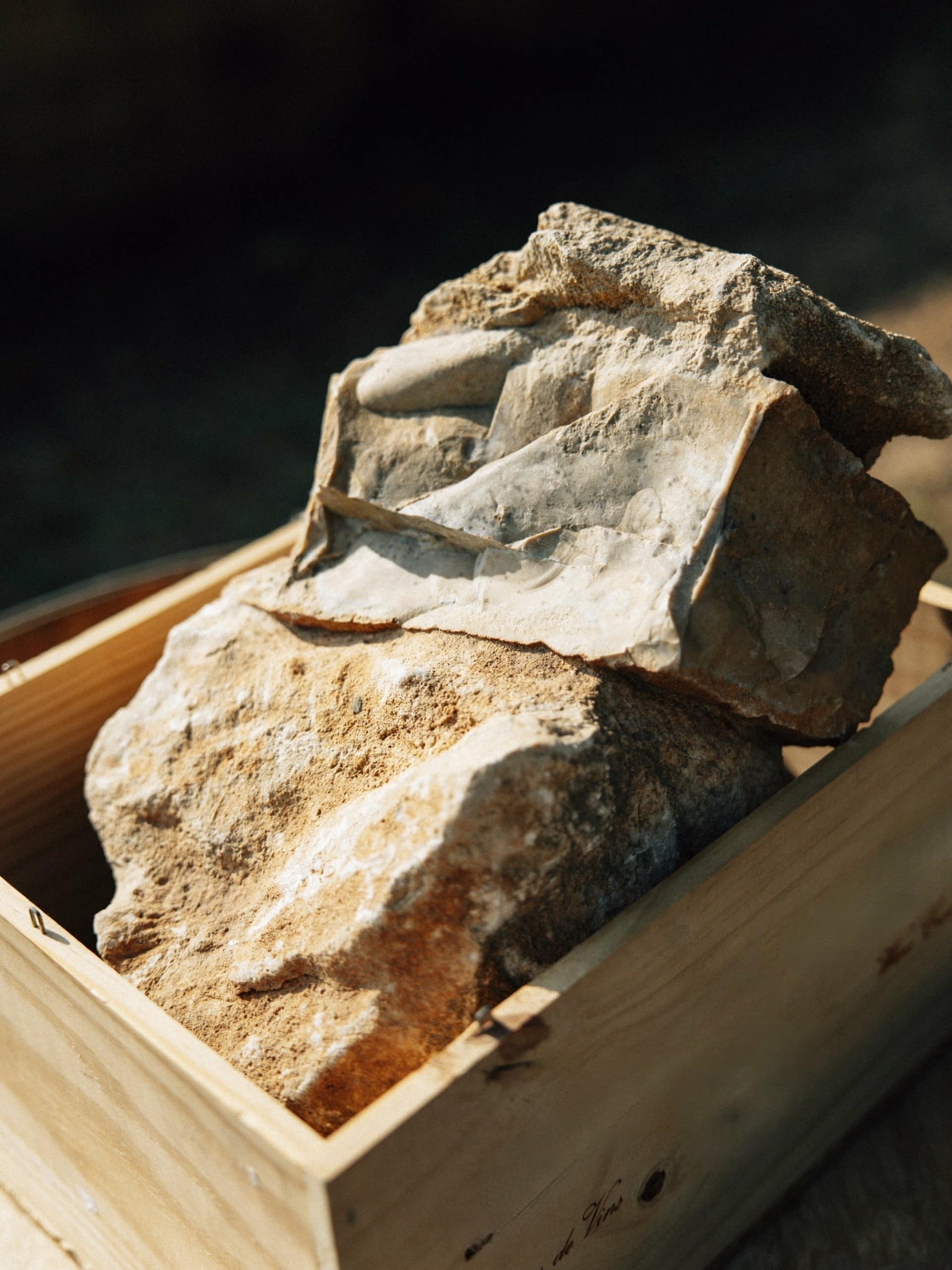
The “golden stone”: an iconic sedimentary limestone rock found in the Pierres Dorées area  © Jonas Jacquel
The Pierres Dorées area stretches from the village of Rivolet to the Saône river and from the village of L’Arbresle to Saint-Julien. © Soil-mapping agency Sigales 2017

“Studies show that all the soil profiles of the Beaujolais region can be found in the Pierres Dorées.”

Sylvain Flache, President of the cooperative winery Vignerons des Pierres Dorées

The geographical area of the Pierres Dorées contains limestone, iron oxides, clays and volcanic rocks. The oldest rocks in the Beaujolais region – granite and gneiss – can also be found there. To the east, a large part of the Pierres Dorées is composed of sedimentary rocks from the Mesozoic Era. In this area, limestone is interbedded with marl and sandstone. Throughout history, this overwhelming presence of limestone and marl helped establish a thriving stone-cutting industry in the Pierres Dorées. So, it is to this large part of the Pierres Dorées soil that we owe the name of this southern terroir of the Beaujolais appellation.

BEAUJOLAIS PIERRES DORÉES, WHAT IS YOUR FLAVOUR PROFILE?

Although we tend to associate “golden” with white, the Pierres Dorées area does not only produce white wines. And while its white wines do have a good reputation, it produces far more red wines. In 2023, winemakers claimed to have produced 19,638 hL of red wines (Gamay) and 3,739 hL of white wines (Chardonnay).

Complex and concentrated red wines

Beaujolais Pierres Dorées reds are part of the Beaujolais appellation. Gamay is the historic grape varietal of this area, where winemakers have always produced more red wines than white wines. They are fruity, well-structured and reveal aromas of black fruits as well as spicy notes. They are ruby-red in colour, smooth and round on the palate with a lingering finish.

The ageing process of Beaujolais Pierres Dorées is longer than for other Beaujolais wines, and takes place in vats or casks. They are long-keeping wines that can be drunk within 3 to 5 years of production, or more depending on the vintage. For example, winemaker Cyril Sapin (Domaine Sapin) says that bottles from 2020 or 2022 (solar years) can be left until 2028 or 2030!
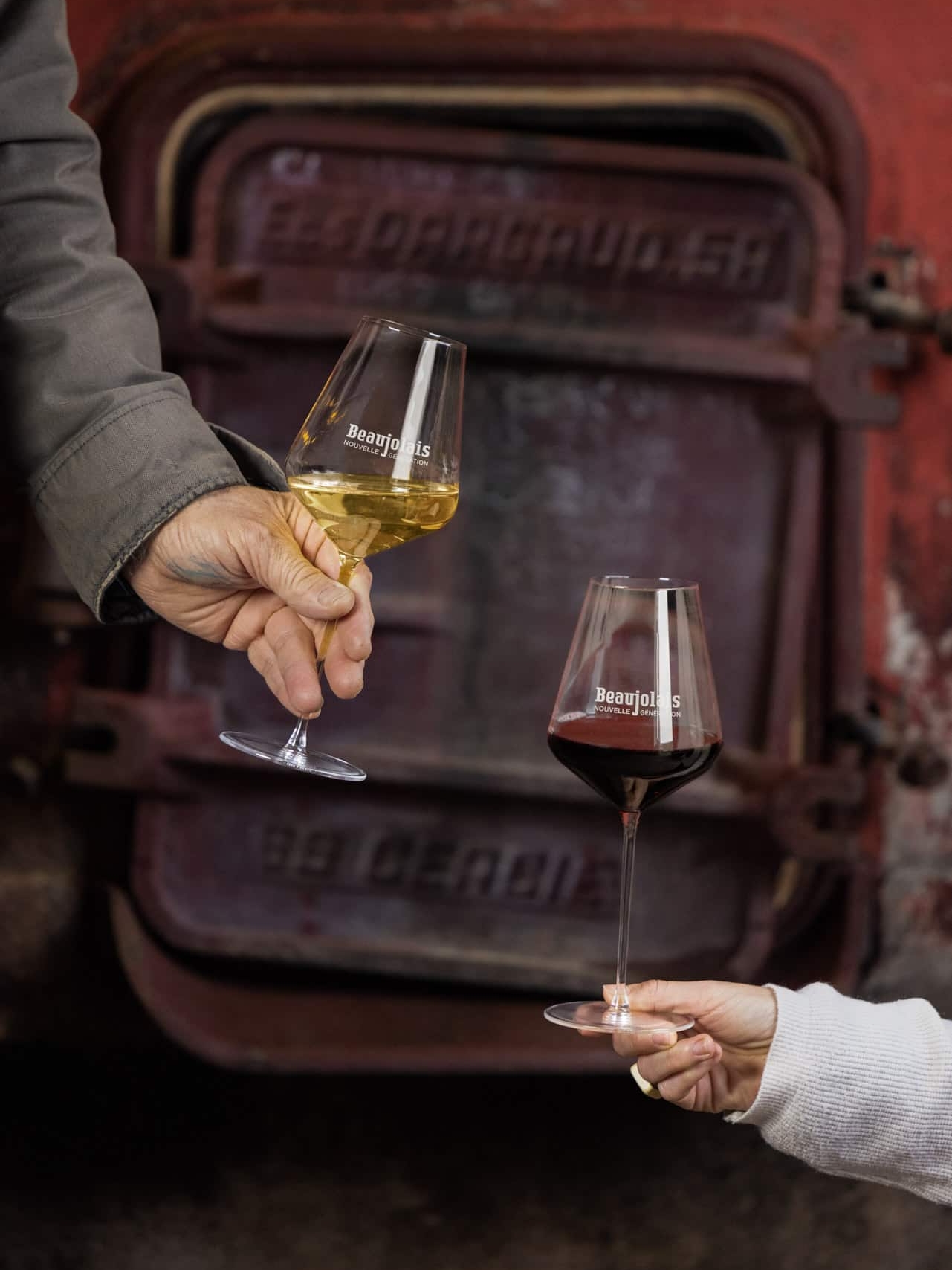
Outstanding white wines

Beaujolais winemakers are particularly proud of their Beaujolais whites, which are well received. Some of the hills in the Pierres Dorées area are ideal for white wines. The Pierres Dorées area is rich in the clayey limestone soils that are particularly well-suited to growing Chardonnay and producing great terroir wines. Moreover, they gain in complexity from year to year as the Chardonnay vines age, having been planted more recently than the Gamay vines.
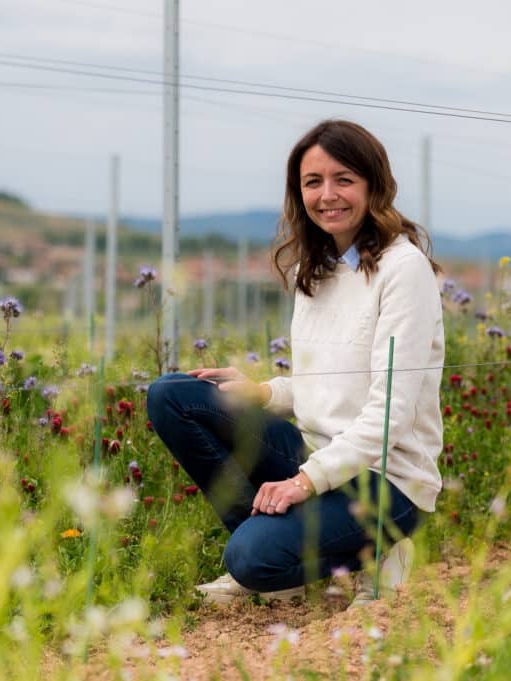
Marine Descombe, négociante et vigneronne en Beaujolais, © Famille Descombe, Dominique Fusina
Marine Descombe © Famille Descombe, Dominik Fusina

“We planted some Chardonnay vines on a family plot in Liergues, located on a wonderful limestone seam over 200 million years old. The result in the glass is breathtaking! The white wine it creates is fresh, mineral and has great tension.”

Marine Descombe, winemaker at Château de Pougelon (Saint-Etienne-des-Oullières)

Beaujolais Pierres Dorées whites are round, well-balanced and complex. They are golden in colour, just like the terroir they come from. They often reveal aromas of white fruits and flowers. Their time spent in casks can lend some of them slightly buttery and woody flavours. They are fresh and round on the palate with a lingering finish.

The ageing process of white wines, which is often long, gives them great ageing potential. Thanks to this ageing process, Beaujolais Pierres Dorées whites can be drunk between 1 and 6 years of production.

–> More information on Beaujolais whites
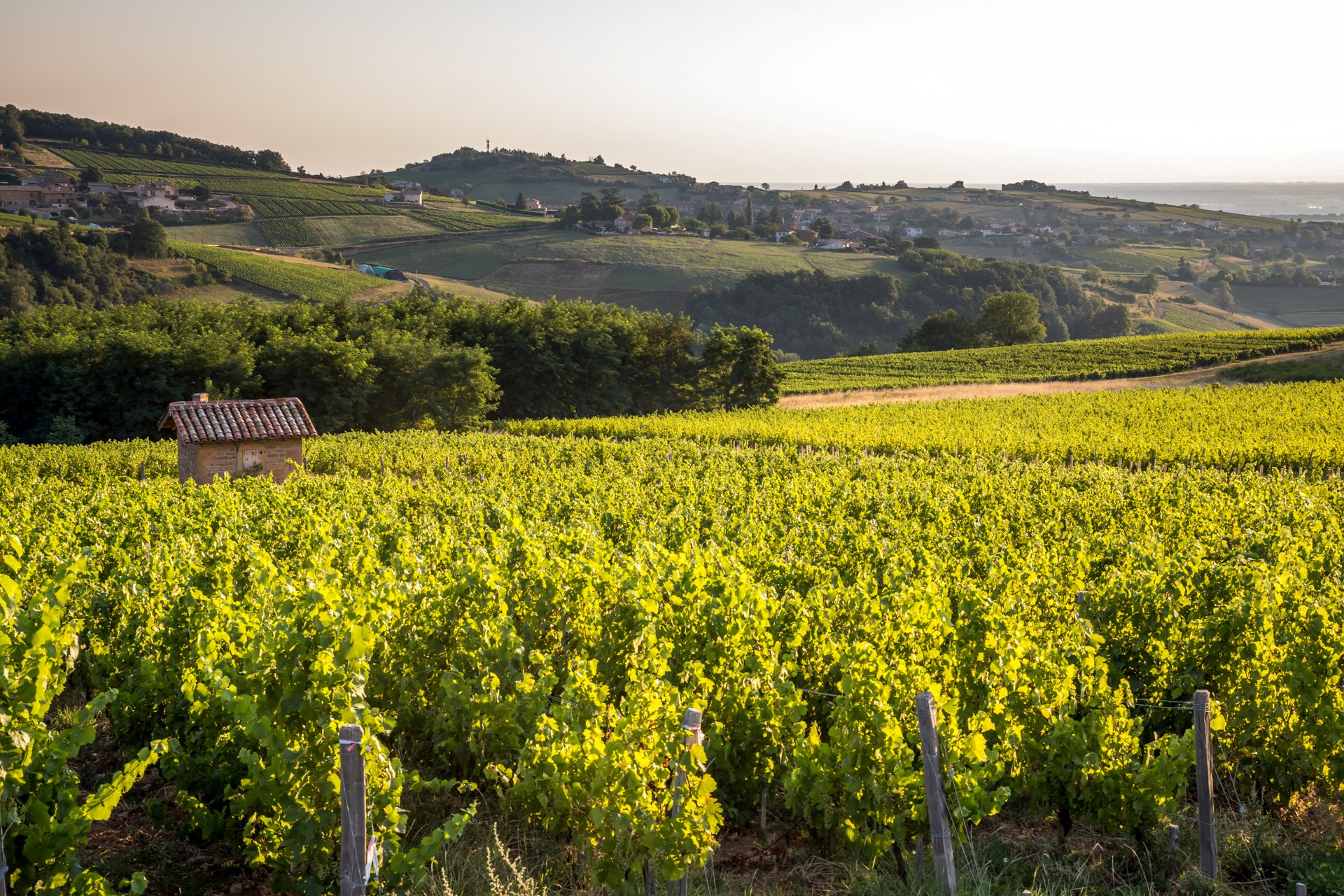
Paysage de vignes et cadole en Beaujolais Pierres Dorées
Cadole made of golden stones in the Beaujolais vineyard © Beaujolais Wines, Etienne Ramousse

A FUTURE DÉNOMINATION GÉOGRAPHIQUE COMPLÉMENTAIRE FOR PIERRES DORÉES WINES?

A collective promotes the uniqueness of Pierres Dorées wines

For several decades now, the “Pierres Dorées” indication has been popping up on the labels of bottles in the south of the Beaujolais region. In 2023, it could be found on more than 200 bottles, almost twice as many as in 2016. This indication enables consumers to pinpoint where the wines come from and winegrowers to differentiate their terroir-based cuvées. Although these wines claim to be “Pierres Dorées”, they are neither officially recognised nor geographically protected. In fact, nothing currently guarantees their origin or method of production.

“I’ve been putting ‘Pierres Dorées’ on the labels of my bottles since 2018. This name speaks to me, it echoes our heritage, the architecture of our houses…”

Cyril Sapin, winemaker at Domaine Sapin (Val d’Oingt)
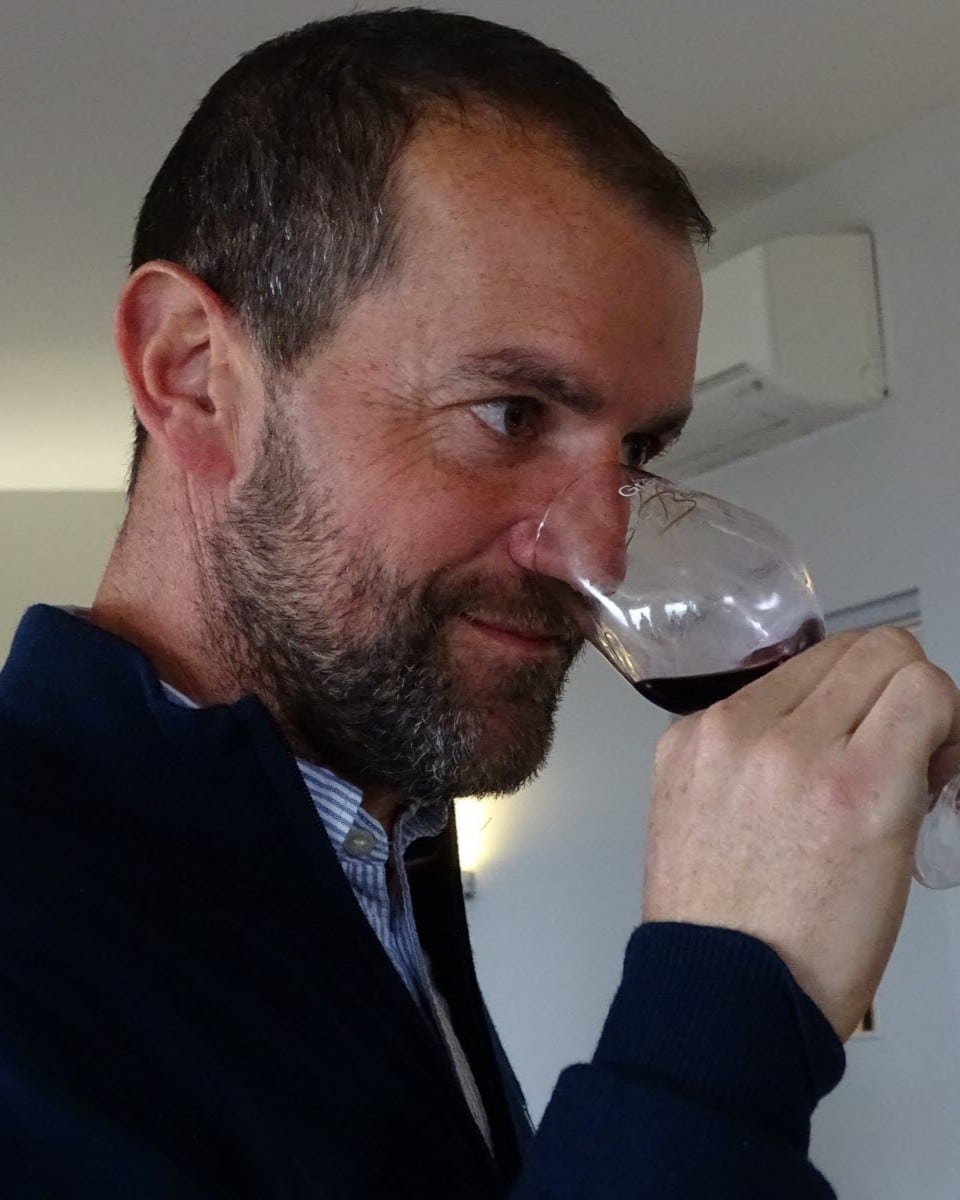
Cyril Sapin
Cyril Sapin © Le Progrès, Marie-Noëlle Toinon

For some 15 years, a collective of winemakers has been striving to obtain a “Dénomination Géographique Complémentaire” (DGC – Complementary Geographic Denomination) for Pierres Dorées wines. Their goal? To gain recognition for the unique identity of their wines produced within the Beaujolais appellation. This collective, called “Beaujolais Pierres Dorées”, aspires to bridge the gap between the people, vines and heritage of the area. It brings together both independent winemakers and wineries, as well as larger estates and wine cooperatives.

What is a Dénomination Géographique Complémentaire?

In the wine industry, it is possible to display specific indications such as a geographical denomination in addition to the appellation – for example adding “Pierres Dorées” to the Beaujolais appellation. This can both help consumers to more precisely identify where the wine is produced and promote the uniqueness of the product. After assessing the file and conducting a field survey, the INAO can decide whether or not to grant a Dénomination Géographique Complémentaire (DGC). This helps “to identify wines whose identity is linked to a territory smaller than that of the AOC”.

More information
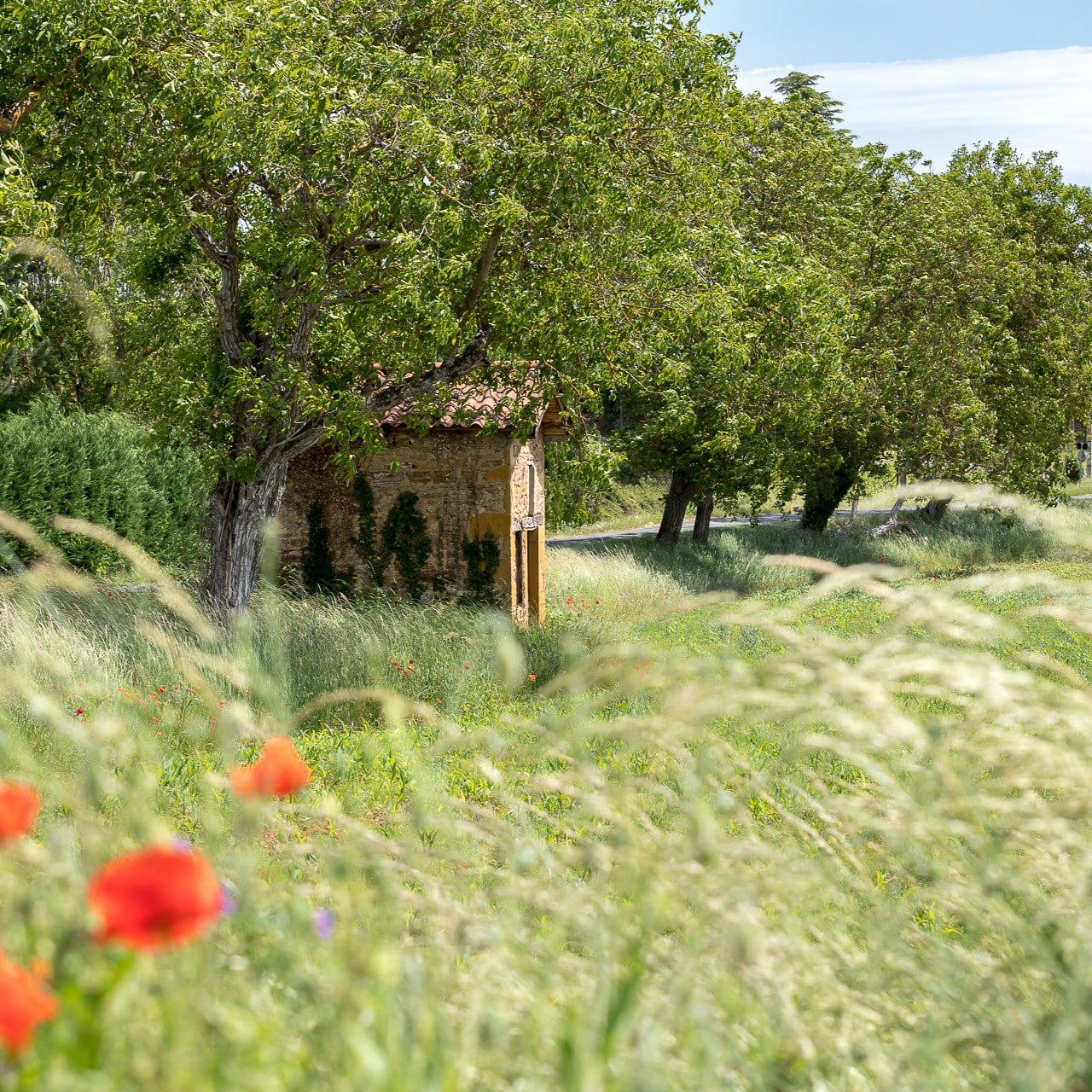
Cadole en Beaujolais Pierres Dorées, Etienne Ramousse
Cadole in Beaujolais Pierres Dorées © Beaujolais Wines, Etienne Ramousse
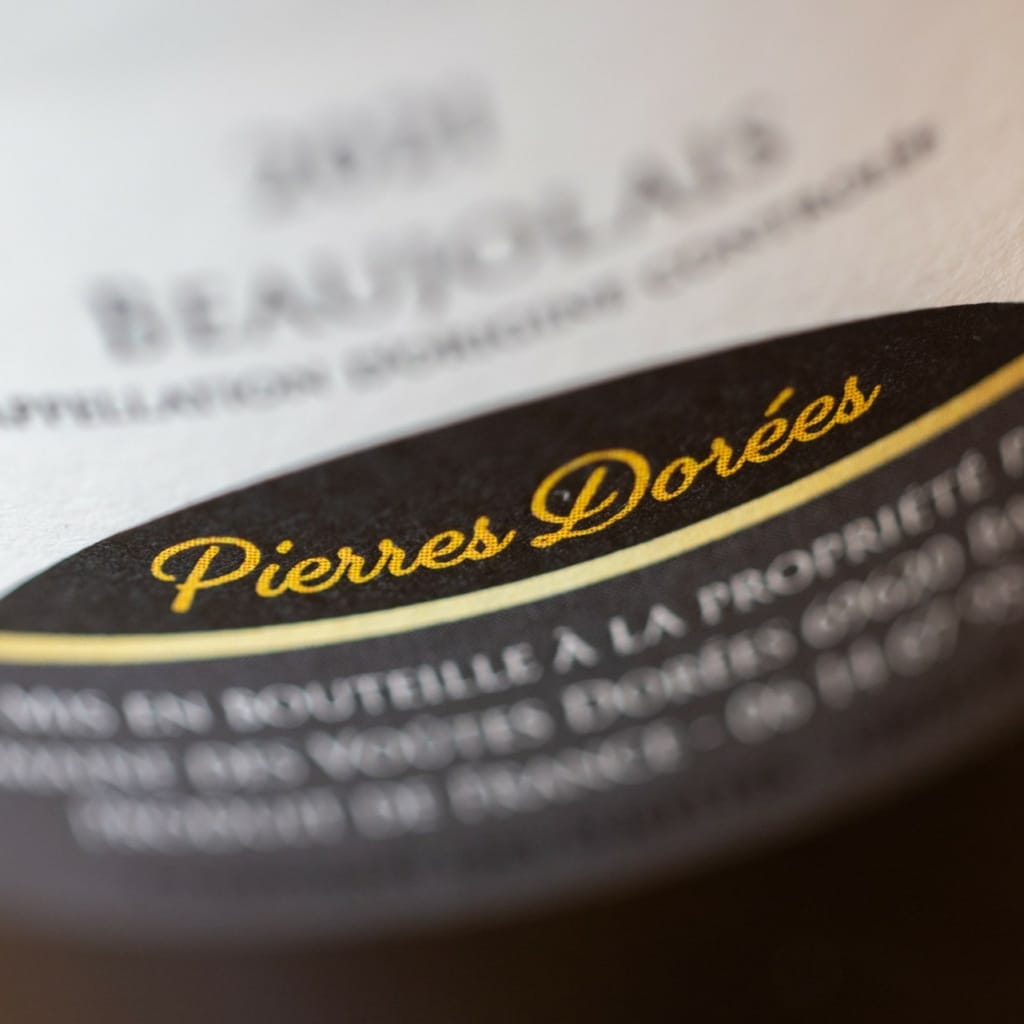
Etiquette de bouteille de Beaujolais Pierres Dorées, Studio Baalt
Label on a bottle of Beaujolais Pierres Dorées © Beaujolais Wines, Studio Baalt

Create a shared identity

Obtaining a DGC is a long process. It involves submitting a file attesting to the long-standing existence of the name, the involvement of the winemakers and the exceptional nature of the wines. In order to formalise their DGC request, the members of the “Beaujolais Pierres Dorées” collective split into working groups. Three commissions were set up: specifications, tasting and communication. WhatsApp groups, meetings, tastings… thanks to this organisation, the winemakers were able to formalise a shared vision. In 2017, they submitted their request to the INAO, who is currently in the assessment and discussion phase. Today, the collective shares a visual identity, as well as a set of specifications specific to Pierres Dorées wines.
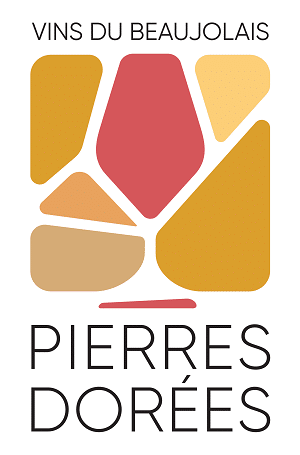
The logo of the Beaujolais Pierres Dorées collective illustrates the diversity of the plots and the colours of the wines, both red and white. The colour palette reflects the distinctive hues of the houses in the Pierres Dorées area. And in pride of place, a glass of wine. This logo consolidates the collective’s unique approach and identity.

“The ‘Beaujolais Pierres Dorées’ collective brings together people from all backgrounds, driven by the same desire to move forward together and to focus on quality.”

Sylvain Flache, President of the wine cooperative Vignerons des Pierres Dorées
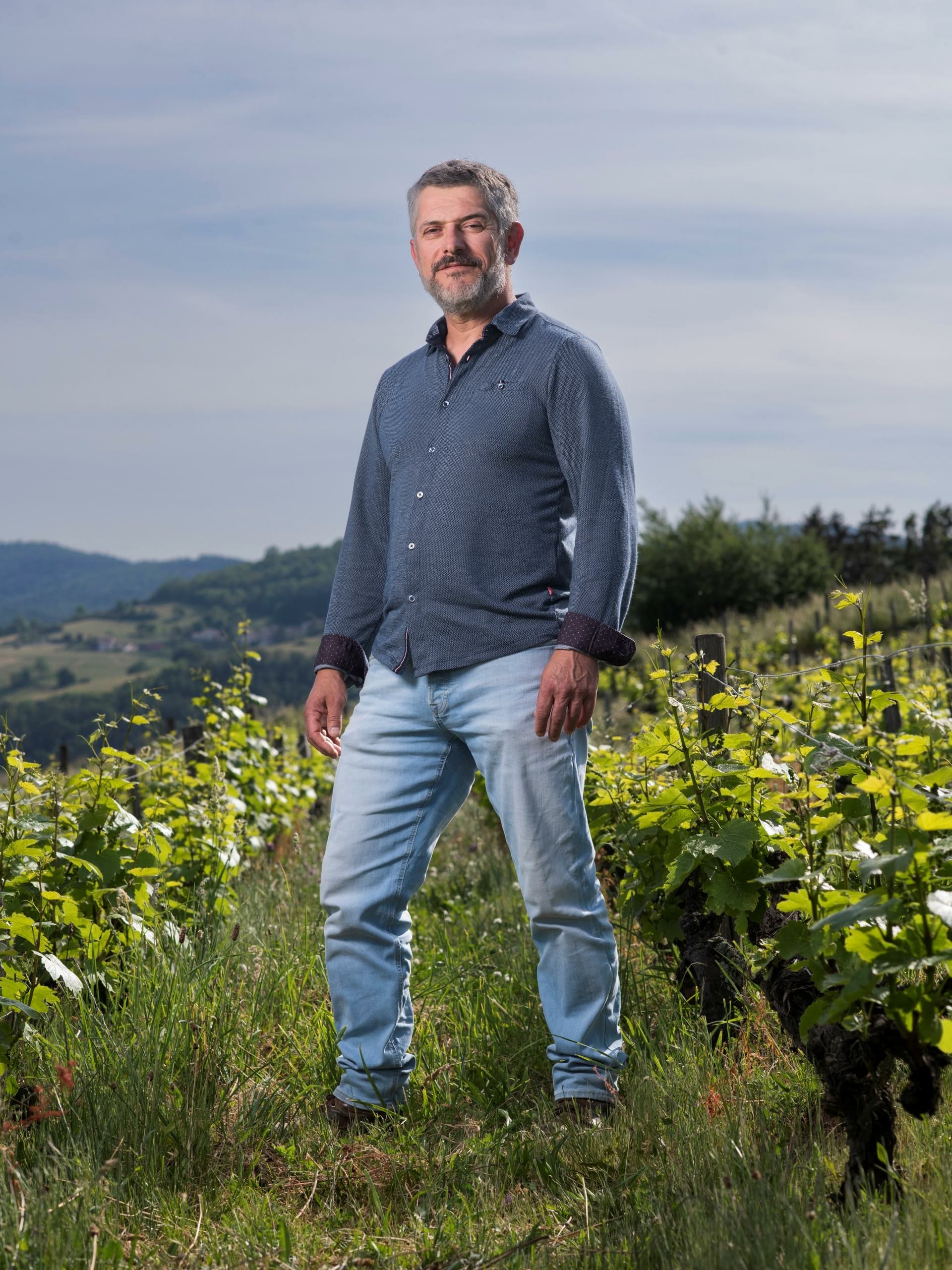
Sylvain Flache, Président de la cave coopérative Vignerons des Pierres Dorées
Sylvain Flache, Vignerons des Pierres Dorées © Compagnie de Burgondie

What does a Dénomination Géographique Complémentaire in the Pierres Dorées involve?

The file submitted to the INAO outlines a number of distinctive points for wines that could be granted a Beaujolais Pierres Dorées DGC:

  • A limited geographical area: the “Beaujolais Pierres Dorées” Dénomination Géographique Complémentaire will cover only part of the Pierres Dorées area.
  • Two colours: Beaujolais Pierres Dorées can only be red wines (Gamay) or white wines (Chardonnay).
  • A longer ageing process: Beaujolais Pierres Dorées have great ageing potential but can also be consumed the year after maturation. Their specifications suggest a long ageing period lasting until 30 March of the year following the harvest. This is 3 months longer than other wines of the Beaujolais appellation.
  • An environmental commitment: in terms of cultivation, the “Pierres Dorées” DGC requires an environmental certification (Organic Agriculture or certifications equivalent to HVE 2).
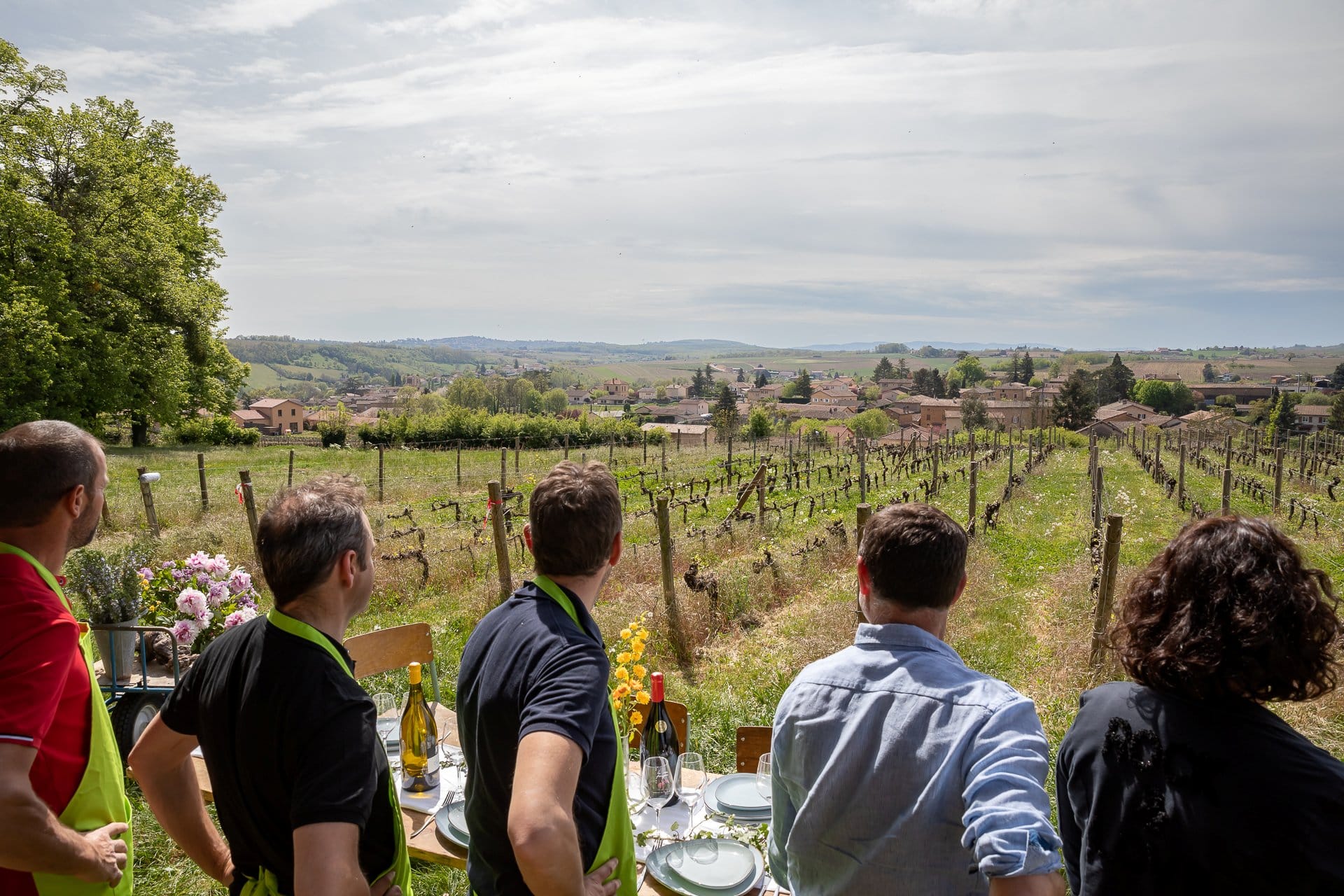
Le collectif Beaujolais Pierres Dorées en route vers une reconnaissance
The Beaujolais Pierres Dorées collective on its way to gaining recognition © Beaujolais Wines, Etienne Ramousse

How far has the “Beaujolais Pierres Dorées” collective got?

The “Beaujolais Pierres Dorées” file was submitted in 2017 and, after several rounds of correspondence, is now under review. An INAO commission of enquiry is currently underway and will decide whether or not to approve the DGC request. However, the collective has not waited for the DGC to be granted before making itself more widely known. To this end, it has created communication tools (i.e., a logo and a website) and attended more events, such as Sirha for example, to raise its profile.

The popularity of Pierres Dorées wines is growing, particularly among wine professionals. A competition called “Excellence Pierres Dorées” has taken place every year in the Beaujolais region since 1998. Restaurant owners, wine merchants, oenologists, sommeliers as well as the winemakers themselves take part in a tasting of a selection of Beaujolais Pierres Dorées wines. The winners may receive a diploma and an “Excellence Pierres Dorées” badge, but above all, this event aims to bring people together. It puts the spotlight on these wines while also giving an account of their development. In 2024, the panellists declared that they were “happy to see that the appellation is improving in quality each year”. (Le Progrès).
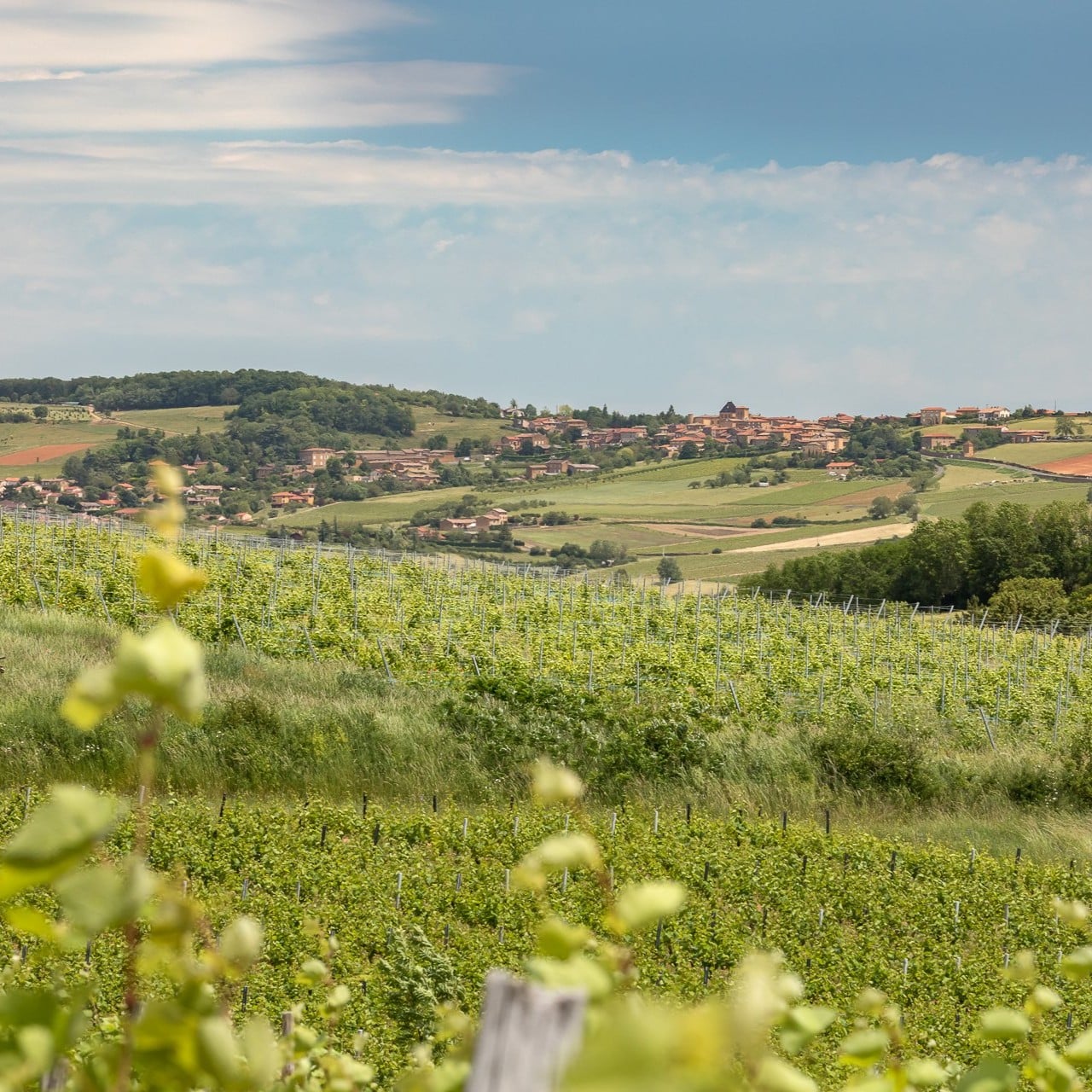
Vineyards near Charnay in Beaujolais Pierres Dorées © Beaujolais Wines, Etienne Ramousse
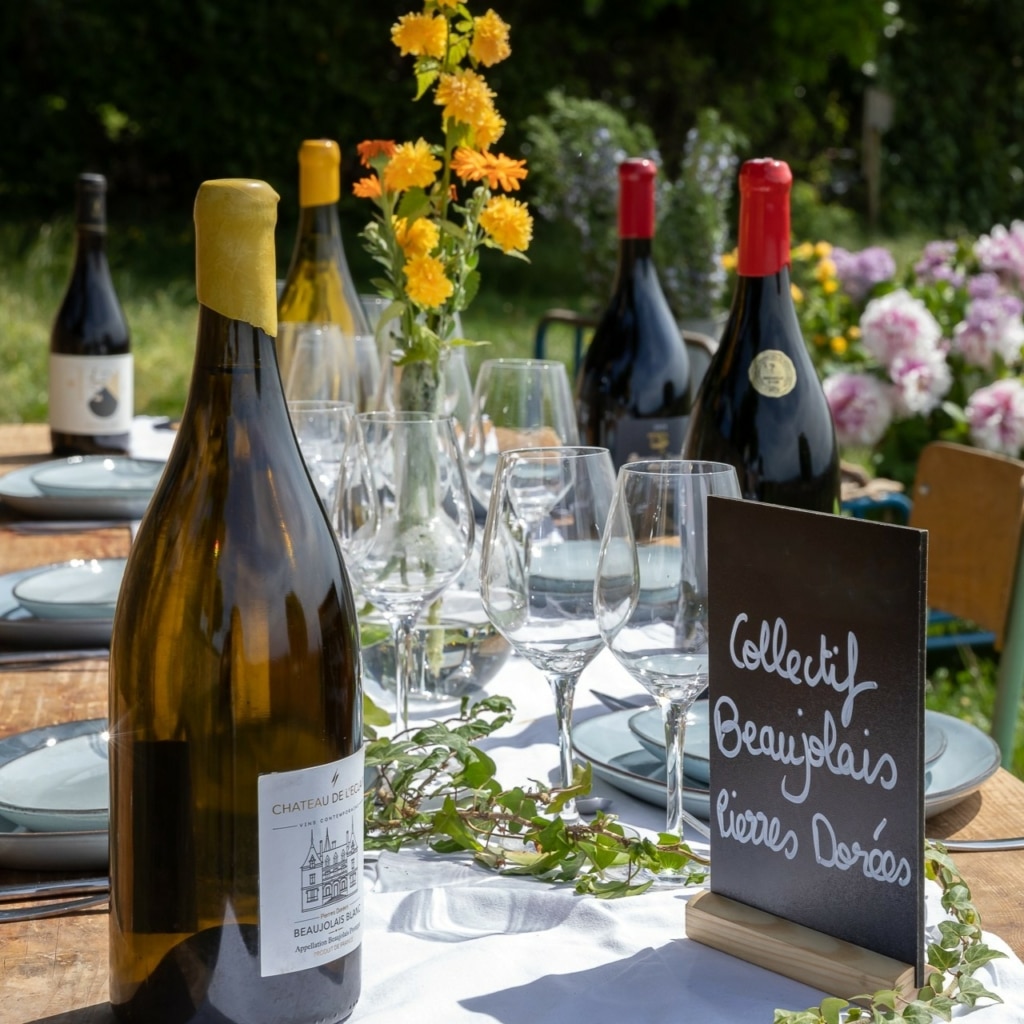
Beaujolais Pierres Dorées, red and white wines © Beaujolais Wines, Etienne Ramousse

As you can see, the Pierres Dorées are hoping to gain recognition for their age-old vines, iconic buildings and wines that are firmly rooted in their terroirs. This desire to set in stone an identity that is unique to the Pierres Dorées area has driven its winemakers for several years. While the DGC application may take several more years, its outcome remains unknown. But one thing’s for sure: the collective momentum has already helped this facet of the Beaujolais region to shine!
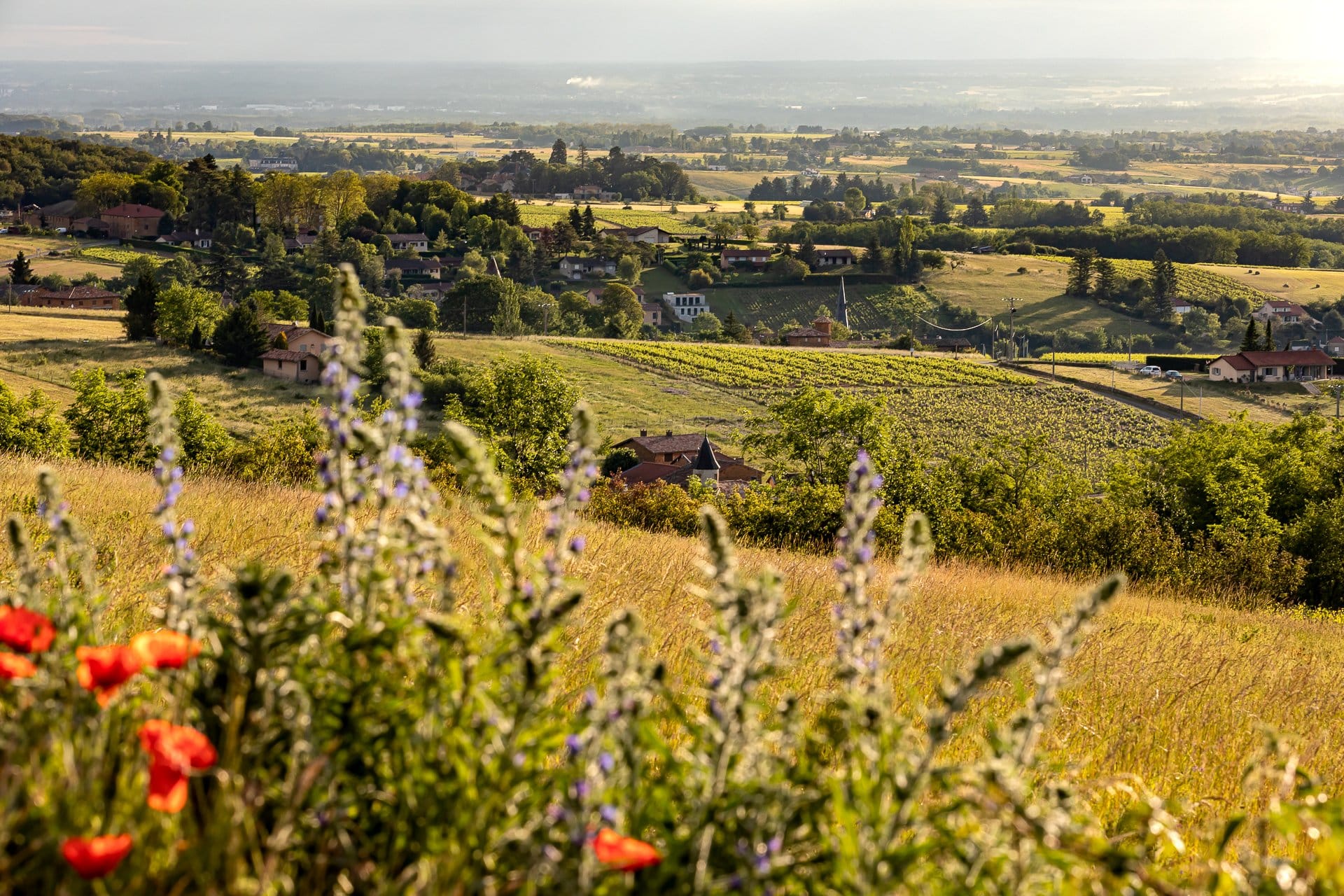
Paysage de Pierres Dorées en Beaujolais
Landscape of the Pierres Dorées in the Beaujolais region © Beaujolais Wine, Etienne Ramousse

Posted on

Research in the Beaujolais region: towards the viticulture of tomorrow

In the Beaujolais region, the passion for wine research is nothing new. Inspired by the engineer and businessman Victor Vermorel at the end of the 19th century, it still strives to improve both wine quality and agronomic practices. Full of challenges, the viticulture of tomorrow is being invented today thanks to the work of Beaujolais researchers. Here is an overview of the jobs and research projects underway in the vineyard.

The Beaujolais region, historically at the forefront of vine and wine research

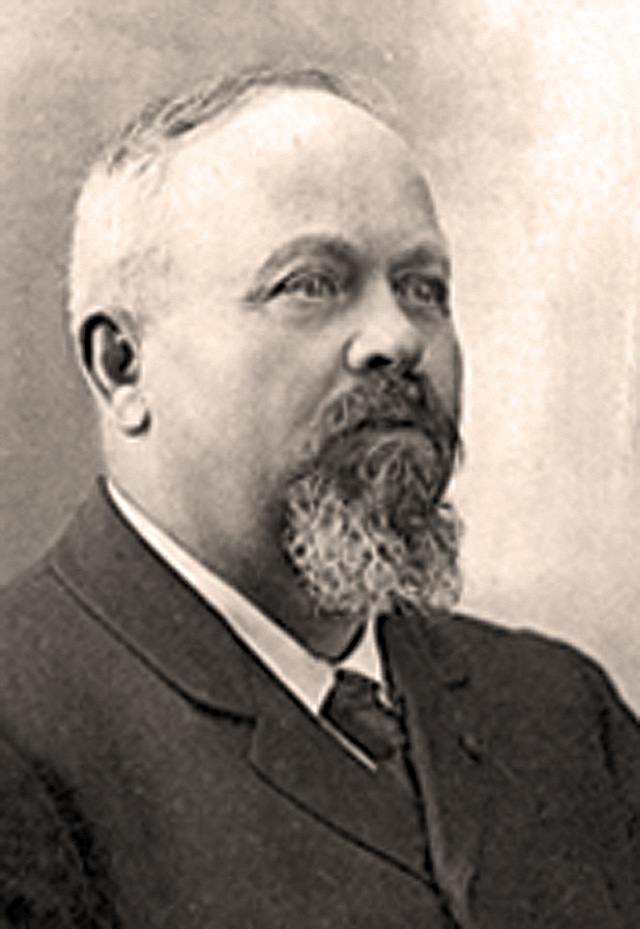
Victor Vermorel, visionary Beaujolais researcher and entrepreneur
Victor Vermorel – Senat.fr archives

Where does this Beaujolais passion for wine research come from?

If Beaujolais viticulture research had a face, it would be that of Victor Vermorel. Born on the banks of the Saône river, the researcher contributed to the advancement of knowledge in viticulture throughout his life. A visionary, the man who advocated ‘progress through experience’ made the Beaujolais region a leading centre in wine research.

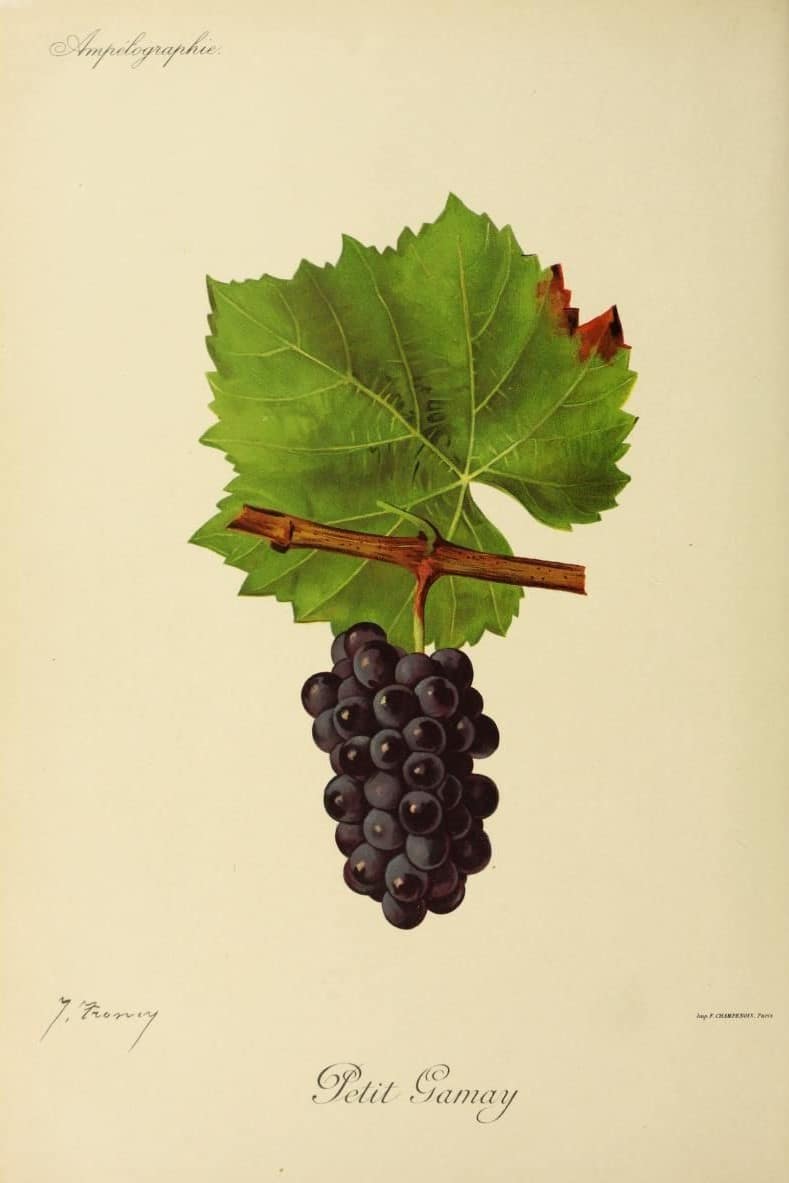
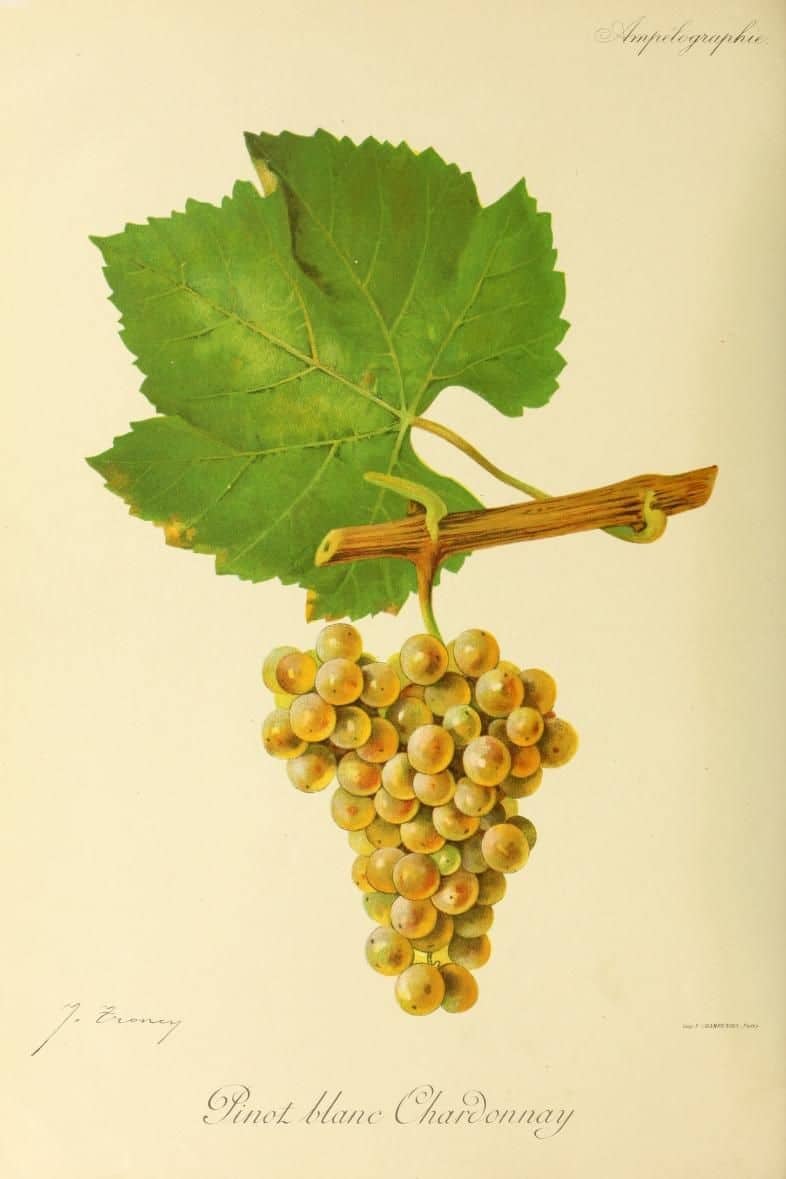
Victor Vermorel impressed late 19th-century winemakers with his many inventions. Notably, he and Pierre Viala wrote the historic book “L’Ampélographie. Traité général de viticulture”. Published in 1900, this book documents and illustrates the 5200 grape varietals found around the world and is still a reference today.

L’Ampélographie. Traité général de viticulture, Victor Vermorel and Pierre Viala, 1900
Petit Gamay, excerpt from Ampélographie, VIALA-VERMOREL 1900
Illustration of gamay grapes, L’Ampélographie. Traité général de viticulture, Victor Vermorel and Pierre Viala, 1900
Chardonnay, excerpt from Ampélographie, VIALA-VERMOREL 1900
Illustration of chardonnay grapes, L’Ampélographie. Traité général de viticulture, Victor Vermorel and Pierre Viala, 1900

Between 1888 and 1897, Victor Vermorel imagined the vine and wine research centres that we have today in the Beaujolais region. He created the very first Station Viticole at 210 Boulevard Vermorel in Villefranche-sur-Saône. This location – where researchers still work today – was initially composed of laboratories, an impressive library, as well as a mini vat room… The entrepreneur also made Château de l’Eclair, in Liergues, into an experimental wine estate. At the time, these locations aroused everybody’s curiosity and researchers from around the world came to visit them.

Interconnected research centres in the Beaujolais region

As you can see, Victor Vermorel’s legacy shaped today’s research into Beaujolais viticulture. It is the many interconnected organisations that work hand in hand that make it so unique. Inter Beaujolais – the organisation responsible for developing the wine sector – includes research and experimentation among its missions. These missions are carried out by the SICAREX Beaujolais (Société d’Intérêt Collectif Agricole de Recherches et d’EXpérimentations or Agricultural Research and Experimentation Collective Interest Company) thanks to a 20-hectare experimental wine estate. The research centre works closely with the Bourgogne-Beaujolais-Jura-Savoie division of the French Wine and Vine Institute (IFV). With 18 units in France’s wine-growing regions, it has a team of 9 researchers in the Beaujolais region. These three organisations are all located at the same address, nicknamed the ‘210 en Beaujolais’ in Villefranche-sur-Saône. The SICAREX Beaujolais and IFV carry out many of their vine and wine experiments at Château de l’Eclair. The estate, once occupied by Victor Vermorel, is now called the ‘Beaujolais region’s open-air laboratory’. Although they are based in the Rhône department, the SICAREX Beaujolais and IFV teams work on local, national and international projects. Their research is not limited to regional issues. It often concerns the French vineyard as a whole.

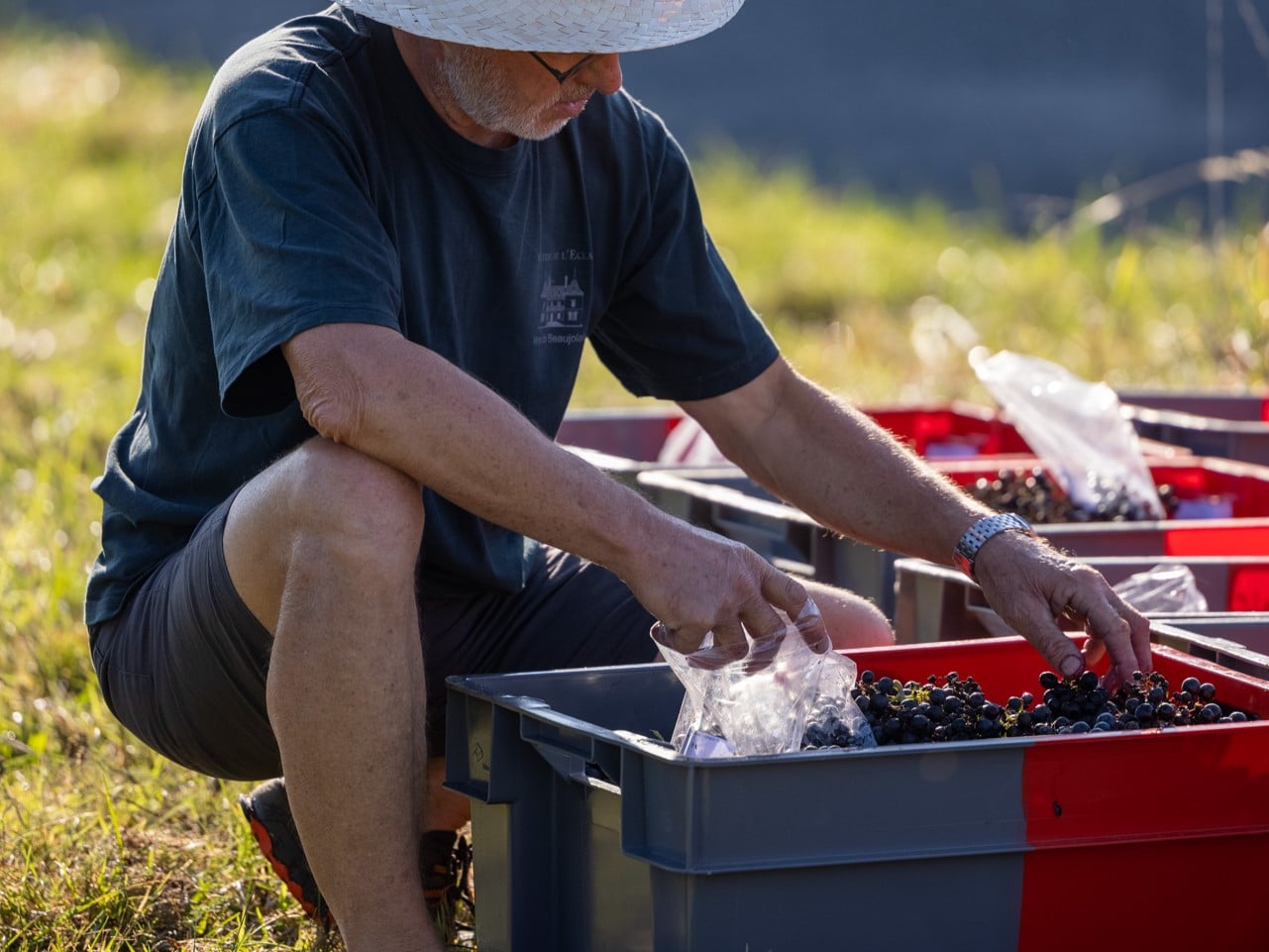
Harvest in the experimental plots at the SICAREX Beaujolais © Studio Baalt 2021
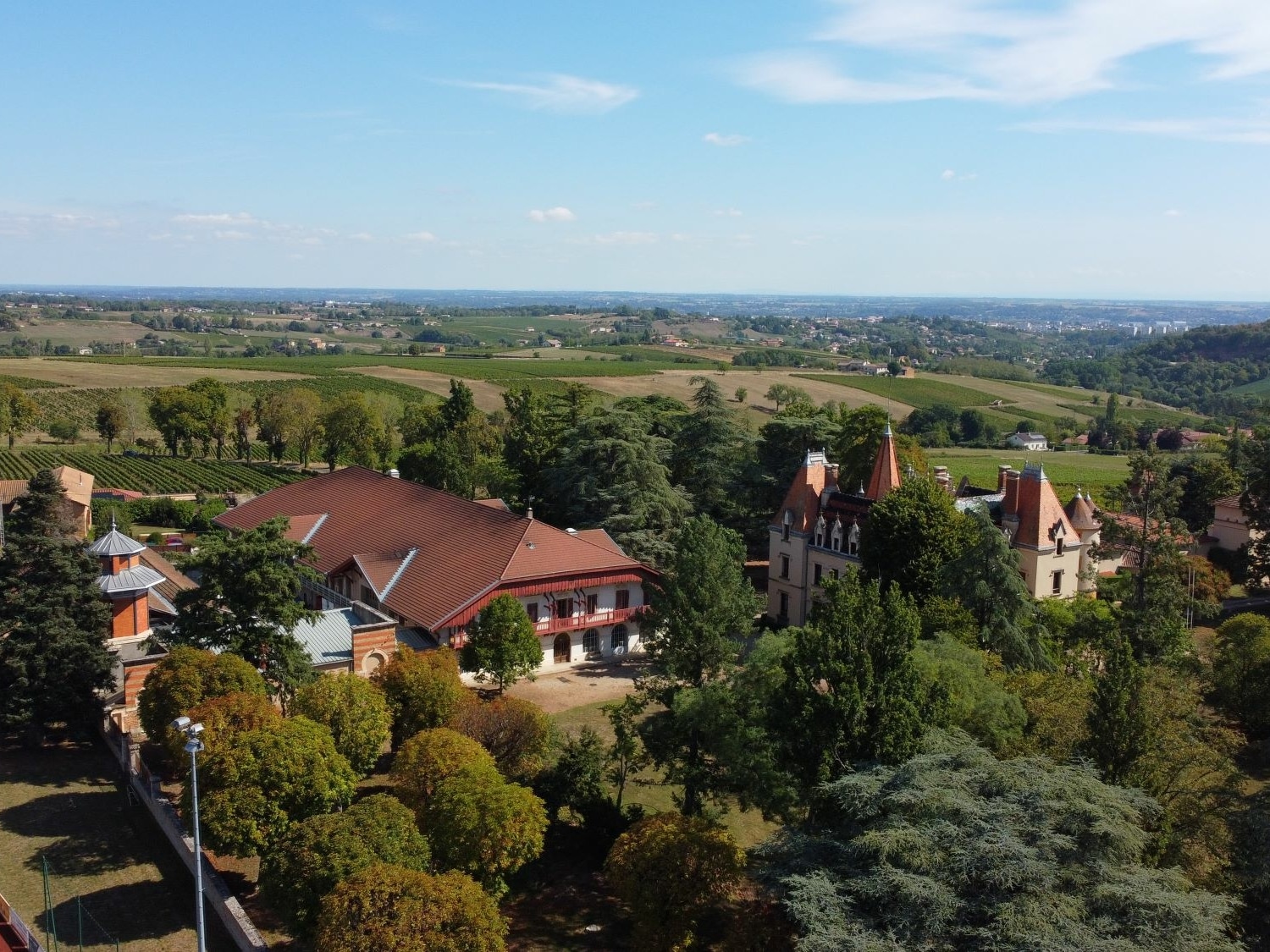
Château de l’Eclair and its vat room, the SICAREX Beaujolais’ experimental estate © Château de l’Eclair

In the field, the Rhône Chamber of Agriculture is responsible for sharing the results of the research with the Beaujolais region’s winemakers, estates and wineries. This is achieved through training, organising technical meetings or even hosting winemaker associations (Vigneron·ne·s du Vivant en Beaujolais for example).

Returnable bottles, example of a cross-disciplinary research topic

In the Beaujolais region, research often brings together the SICAREX Beaujolais, the IFV, lnter Beaujolais and Château de l’Eclair. This is the case for example for an experiment in bottle recycling that began in 2023.

Did you know? Research carried out by the IFV shows that packaging represents 40 to 50% of the industry’s global carbon footprint. To reduce this major impact, we must either opt for lighter bottles or adopt a deposit-return scheme. In order to provide data and feedback, research is being carried out in the Beaujolais region at all levels. The SICAREX Beaujolais’ Sensory Unit is studying the image of the deposit-return scheme among stakeholders in the industry. At the same time, Inter Beaujolais has set up an observatory to monitor wine quality and bottle weight. And finally, Château de l’Eclair is selling a test batch of Beaujolais Nouveaux in returnable bottles. The first results and feedback are available in a White Paper published at the end of the year.

Bottling in the Beaujolais region – F.Ferrer 2020

Current research in the Beaujolais region: projects and innovations

Carbon footprint, adapting to global warming, resistant grape varietals, consumer expectations… the major research topics in the Beaujolais region

The most important challenge facing winegrowers this century is adapting to the new circumstances dictated by global warming. As such, the main aim of research in the Beaujolais region is to provide guidance to those involved in the industry in this context. This includes measuring carbon footprints, agronomic experimentations, exploring plant material and studying consumer tastes…

 « Notre métier est de répondre aux questions que se posent les professionnels. Elles sont le reflet des attentes sociétales et des besoins du secteur ».

Bertrand Chatelet, Director of the SICAREX Beaujolais and the Beaujolais-Bourgogne-Jura-Savoie division of the IFV, © Jonas Jacquel

Measuring the carbon footprint of viticulture

Based in the Beaujolais region, the IFV’s Environmental Assessment Unit is studying the industry’s impact with the aim of finding ways of mitigating it. This unit measures the carbon footprint of wine estates and compares data relating to each stage of a wine’s life cycle. It constantly monitors and studies different practices in order to provide guidance to professionals seeking to reduce their company’s carbon footprint.

Adapting vineyard practices in response to global warming

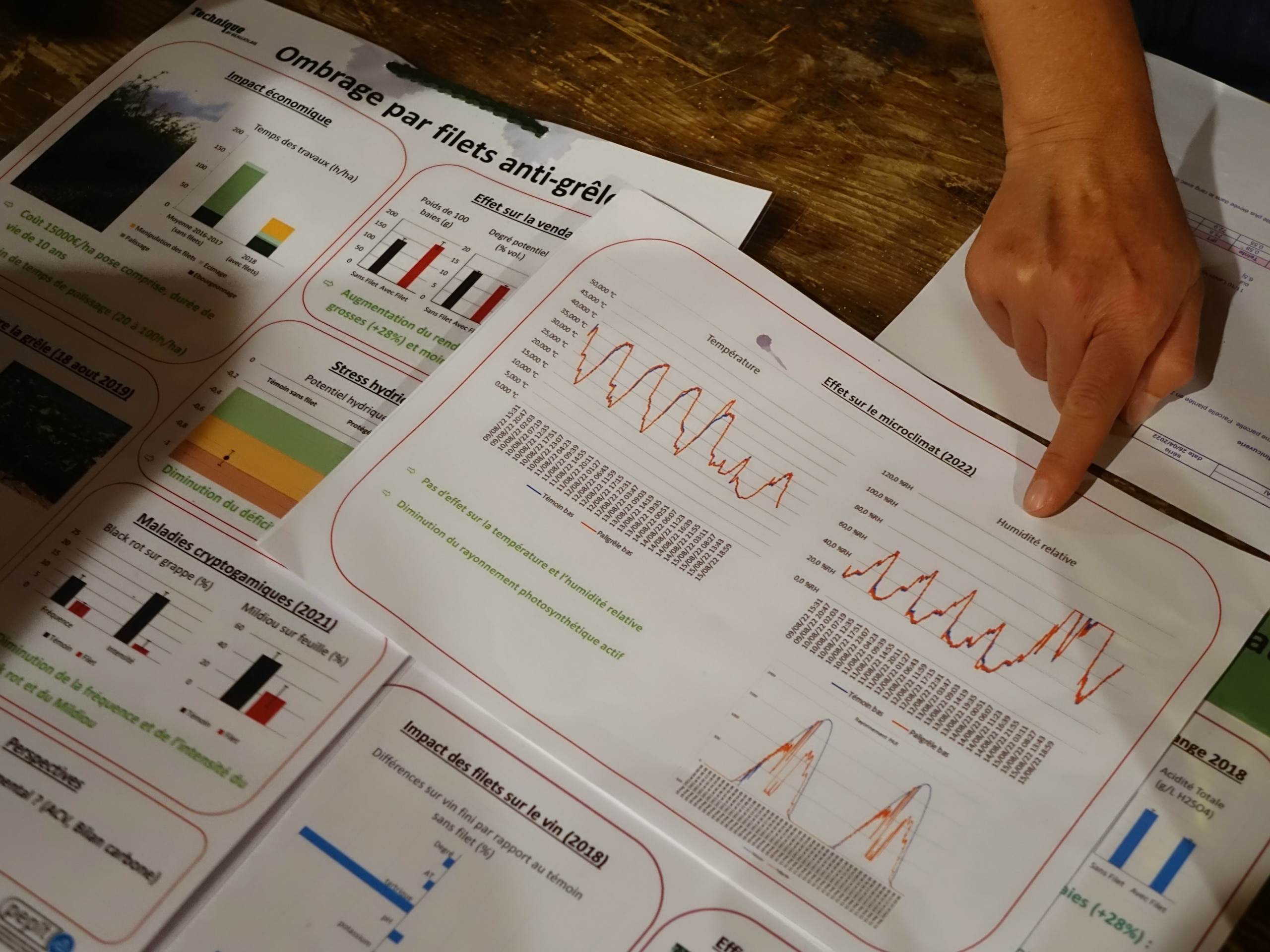
Adapting to climate change is another area of research for the IFV Beaujolais-Savoie’s Technical Unit. Agronomic experiments are being carried out with the aim of maintaining yields and wine quality despite climate change. The purpose of this research is to provide gradual solutions and short-term measures (shade nets, foliage modifications…), while keeping an eye out for longer-term solutions (resistant grape varietals in particular).

Presentation of experimental results during the annual SICAREX-IFV ‘Open plot day’ at Château de l’Eclair © Inter Beaujolais 2022
Vinification trials using resistant grape varietals carried out by the SICAREX-IFV at Château de l’Eclair © Studio Baalt 2021

Preserving the iconic Beaujolais grape varietal

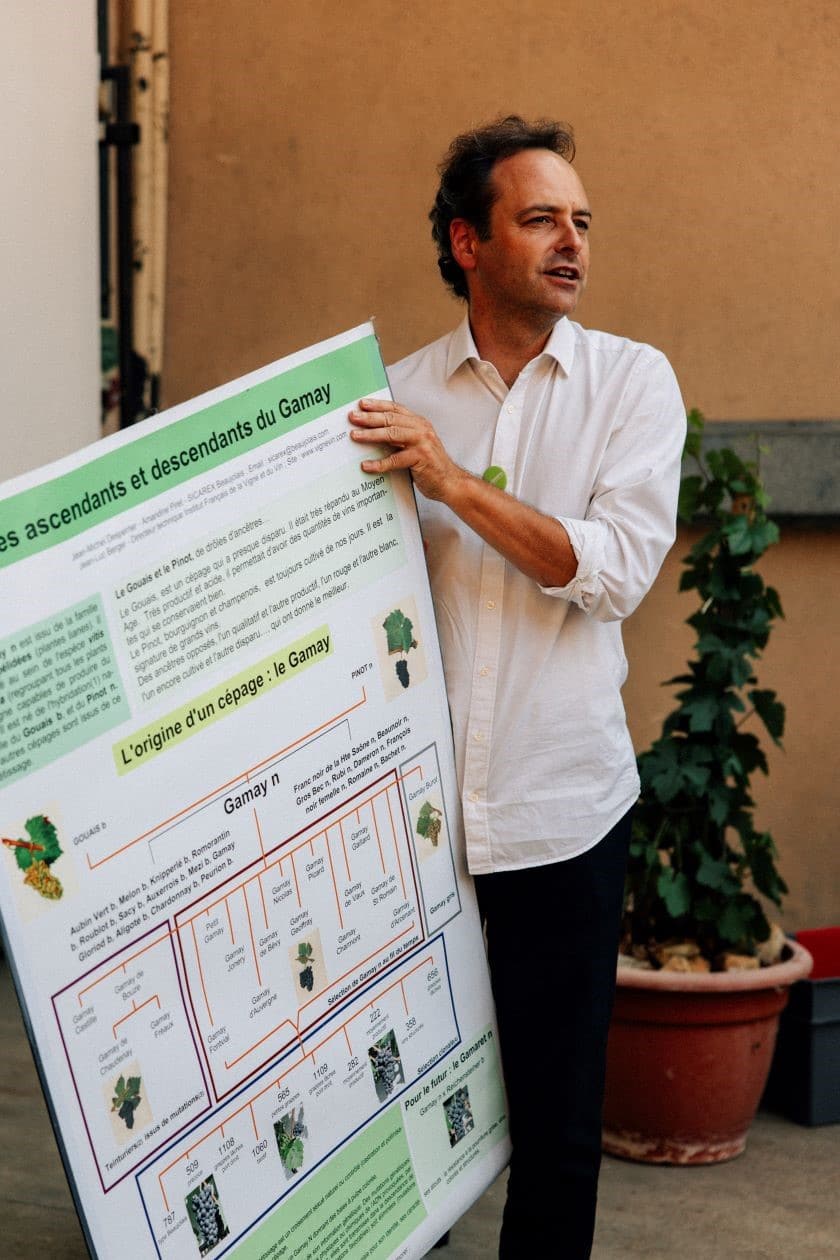
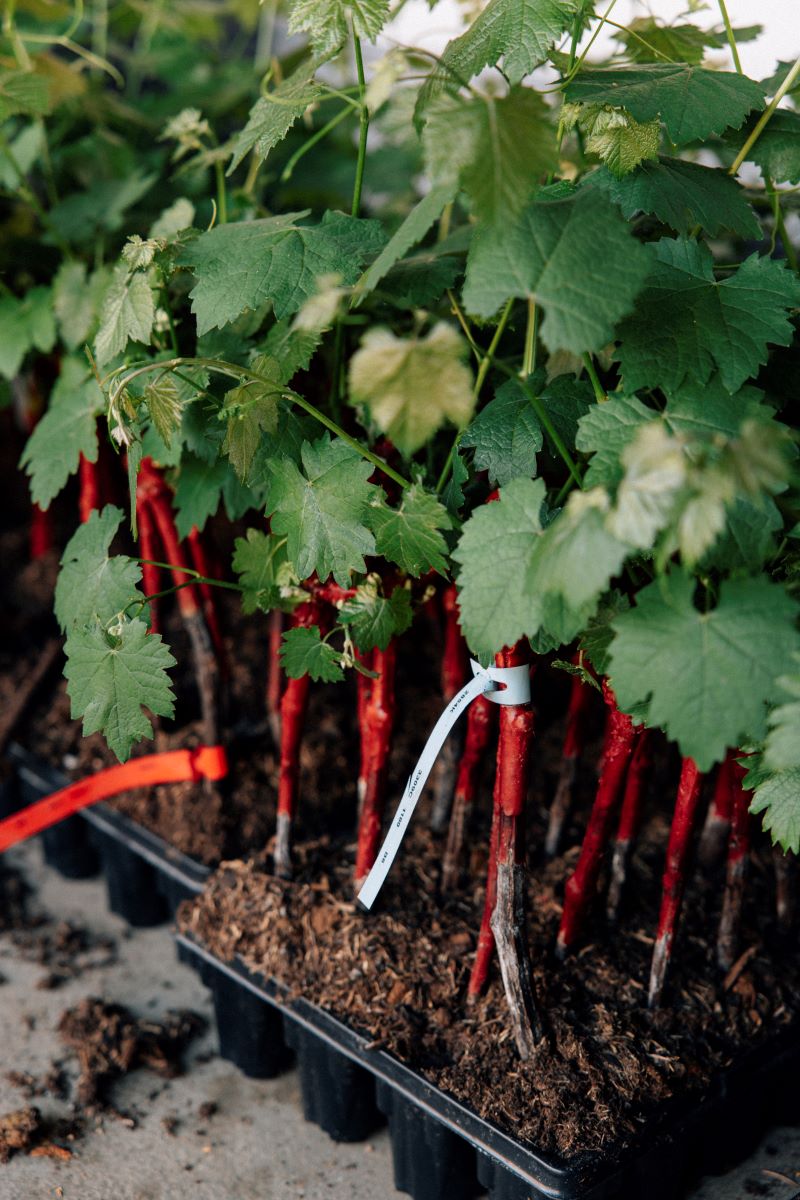
Researchers at the SICAREX Beaujolais still carry out one of its historic missions: selecting and preserving the genetic diversity of the gamay grape. They maintain an impressive collection of over 1000 different gamay grapes (from Italy, Switzerland, south-west France…). This effort to preserve plant life goes even further with the “Qanopee” project. Led by winegrowers from the Beaujolais region, Champagne and Burgundy, the project aims to pre-multiply healthy vine stocks in a 4500m² bioclimatic greenhouse. And the objective? Safeguarding the vineyards’ plant heritage.

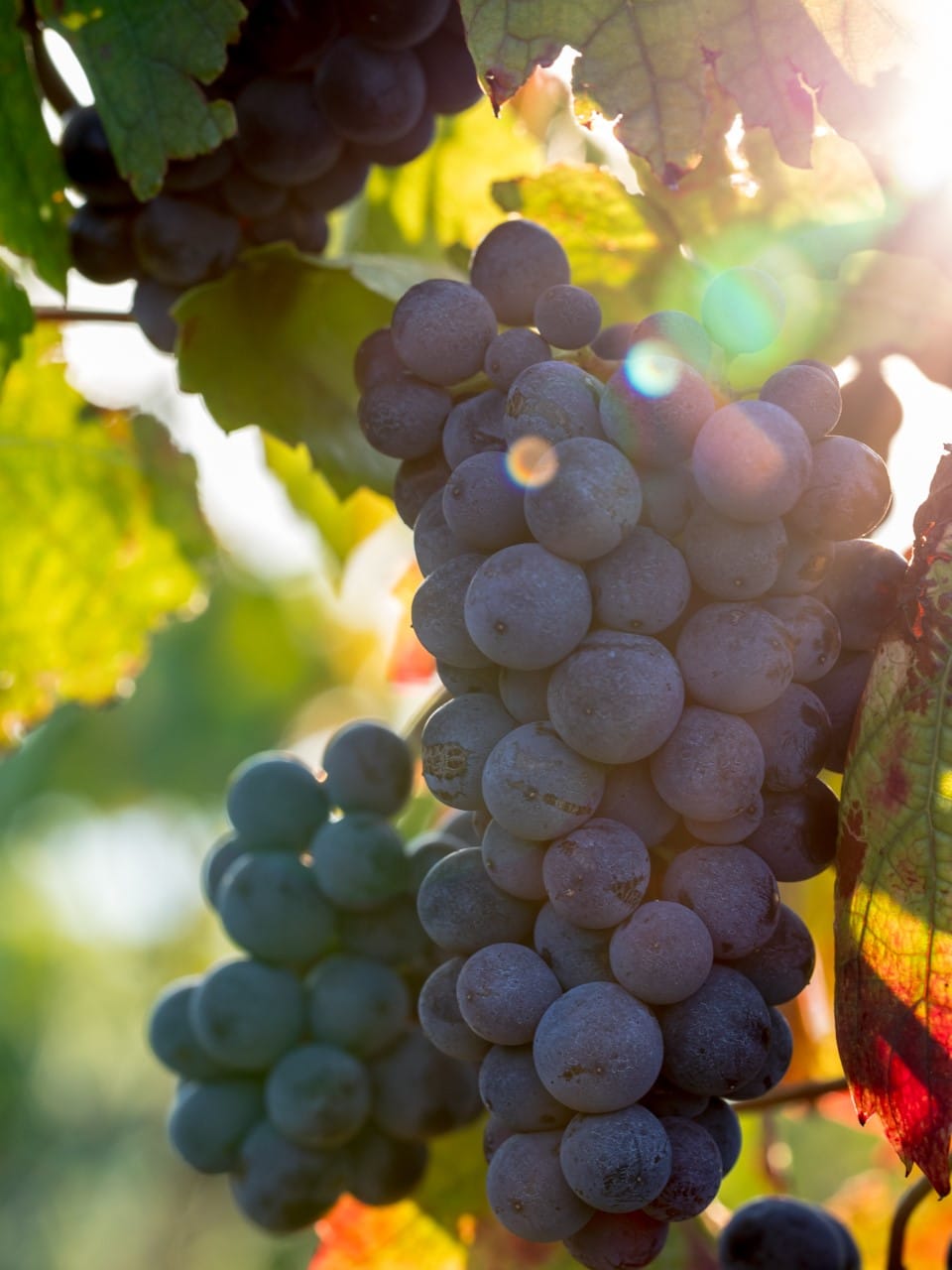
Gamay bunch in Beaujolais
Gamay bunch – E.Ramousse

> Also read: “The viticulture of tomorrow according to Beaujolais researchers”

Creating grape varietals capable of rising to this century’s challenges

Young vines – SICAREX Beaujolais – Jonas Jacquel

Varietal creation is a central theme for the SICAREX Beaujolais according to its Director, Bertrand Chatelet. As early as the 70s, the research centre joined an unprecedented programme set up by the INRAE and became a reference in the field. Varietal selection is a lengthy process, involving the observation and comparison of the 180 grape varietals planted on a plot at Château de l’Eclair. Notably, the SICAREX Beaujolais created the gaminot, a cross between gamay and pinot noir. The teams are currently focusing their research on varieties that are resistant to both fungal diseases and drought. Some of these resistant grape varietals have already been planted in the Beaujolais region. The gamaret and the voltis – to name just a couple – could also be included in the specifications for appellations.

Identifying future consumer expectations

To generate knowledge for science and the industry as a whole, a sensory analysis unit was set up in 2023. Its team of engineers is leading research projects that extend far beyond the Beaujolais vineyard, and even the French vineyard as a whole. They put the consumers’ sensory judgment at the heart of their research, via focus groups and tastings. One of the key projects set up in 2020 focuses on the perception of wines with no added sulphites. The results of this study, conducted with a panel of consumers and professionals, will be published at the end of 2024.

Focus on GES&Vit, the first tool to measure the wine industry’s carbon footprint, created in the Beaujolais region

Ges&Vit logo

The Environmental Assessment Unit pulled out all the stops to respond to the pressing need to measure the carbon footprint of winegrowers and makers. It was the first to offer a tool capable of doing so as early as 2021. Given the name GES&Vit, its purpose is to support the wine industry in its low-carbon transition.

https://www.youtube.com/watch?v=4tC7EBdyi-k
Ges&Vit, the carbon footprint measuring tool made in Beaujolais – Video IFV & MarnieProduction

GES&Vit is used to assess current practices and simulate different methods of vine management. It also provides the necessary tools to take action thanks to an action plan designed to reduce the carbon footprint of wine estates. The tool is available to wine advisers and technicians, provided they have taken a training course to learn how to use it. Many professionals in France have already started using it.


While Victor Vermorel laid the foundations for wine research in the Beaujolais region, the wine industry has successfully shaped itself so that it could bear fruit. The teams at Inter Beaujolais, the SICAREX Beaujolais, the IFV and the Rhône Chamber of Agriculture work hand in hand to ensure that it continues to flourish. Firmly rooted in their time, their research is a mine of information for building the vineyards of tomorrow.

Curious to know what wine experts think? Check out the article “The viticulture of tomorrow according to Beaujolais researchers”