Posted on

Beaujolais Pierres Dorées: a wine collective on its way to gaining recognition for its wines

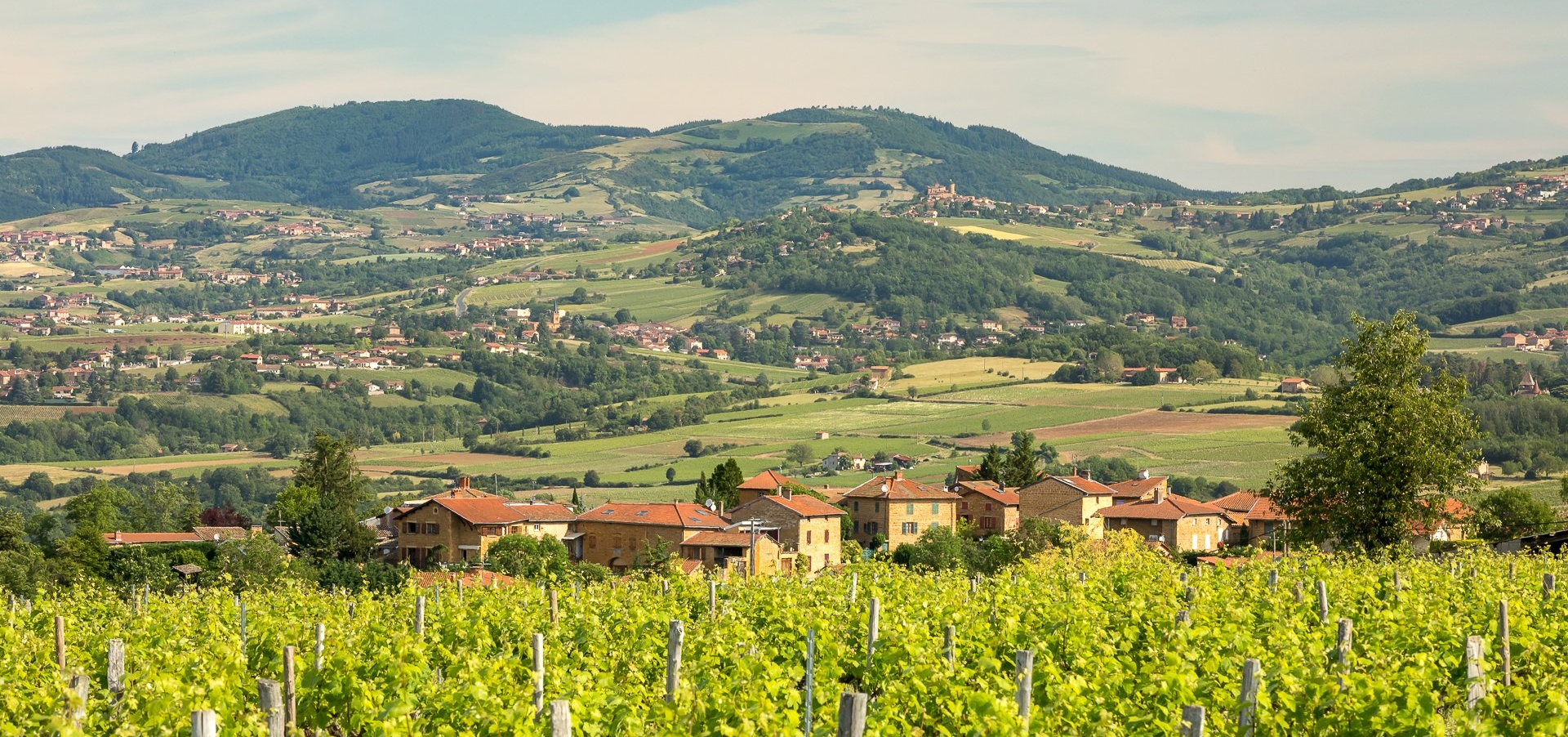
Paysage du Beaujolais Pierres dorées

Have you ever heard of the “Pierres Dorées”? Both a geographical area recognisable by the bright colours of the stones in its villages and a sector of the AOC Beaujolais, the Pierres Dorées are a veritable French gem! As proud of their heritage as they are of their terroirs, Pierres Dorées winemakers are striving to gain recognition for their wines. Their wish is to properly promote this facet of the Beaujolais region, which delights all those who have already discovered it. Focus on this very special area and on the “Beaujolais Pierres Dorées” collective’s approach.
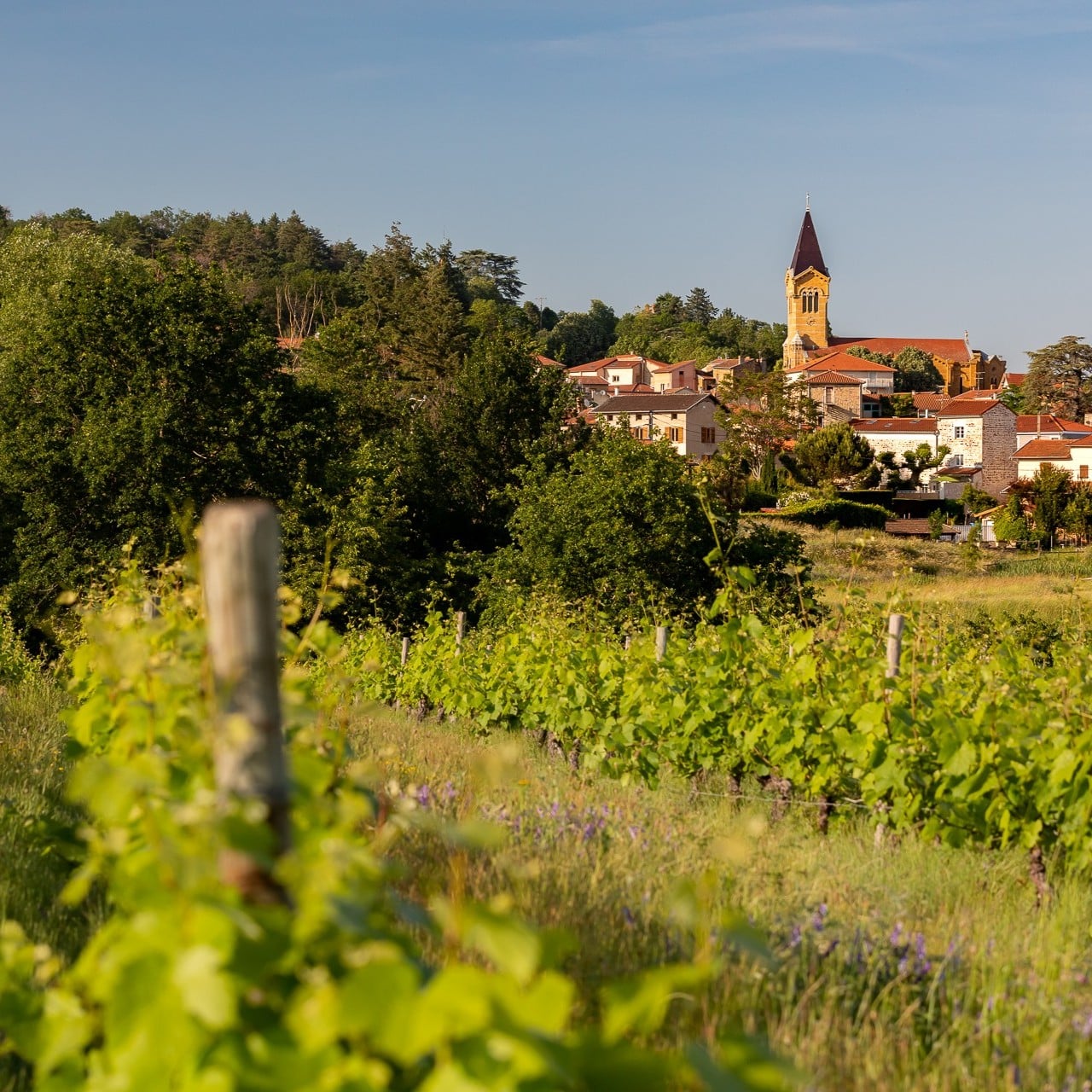
Vignes et village de Bully, Beaujolais Pierres Dorées, Etienne Ramousse
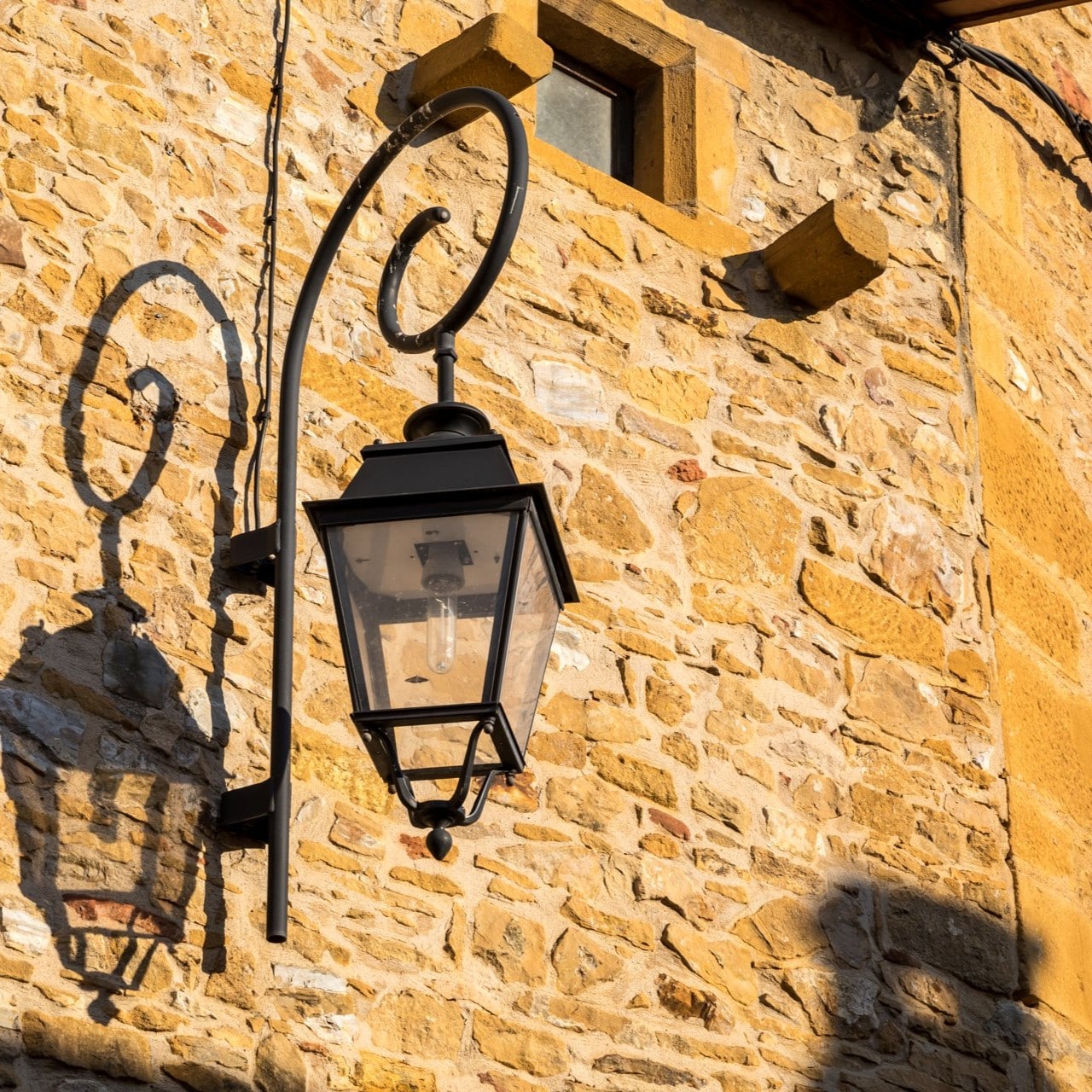
Mur de pierres dorées dans le Beaujolais, Etienne Ramousse

PIERRES DOREES: AN IDEAL TERROIR FOR WINEGROWING

Where are the Pierres Dorées?

In the south of the Beaujolais region, some 40 kilometres north of Lyon, lies a unique area called “Pierres Dorées”. The villages that make up the area, such as Pommiers, Theizé, Lachassagne, Val d’Oingt, Jarnioux, all have one thing in common: the undeniable beauty of their houses and bell towers built with golden stones which give the area its name – “pierres dorées” means “golden stones”. [cd1] This area of the Beaujolais region is a charming place, with its vine-covered hills, unique light and hilltop villages. Over the centuries, the Pierres Dorées area has alternated between polyculture and viticulture, which helps explain the various landscapes found there today. Imagine for a moment a painting depicting vineyards and golden buildings scattered here and there, wheatfields and meadows with grazing cows and sheep. A slice of heaven!

Cultivated since the Gallo-Roman era, vines are everywhere and are an integral part of the Pierres Dorées’ heritage. Today, more than 500 hectares of vines are cultivated under the “Beaujolais Pierres Dorées” designation. This area covers 43 communes in the Beaujolais appellation.

A complex geological history

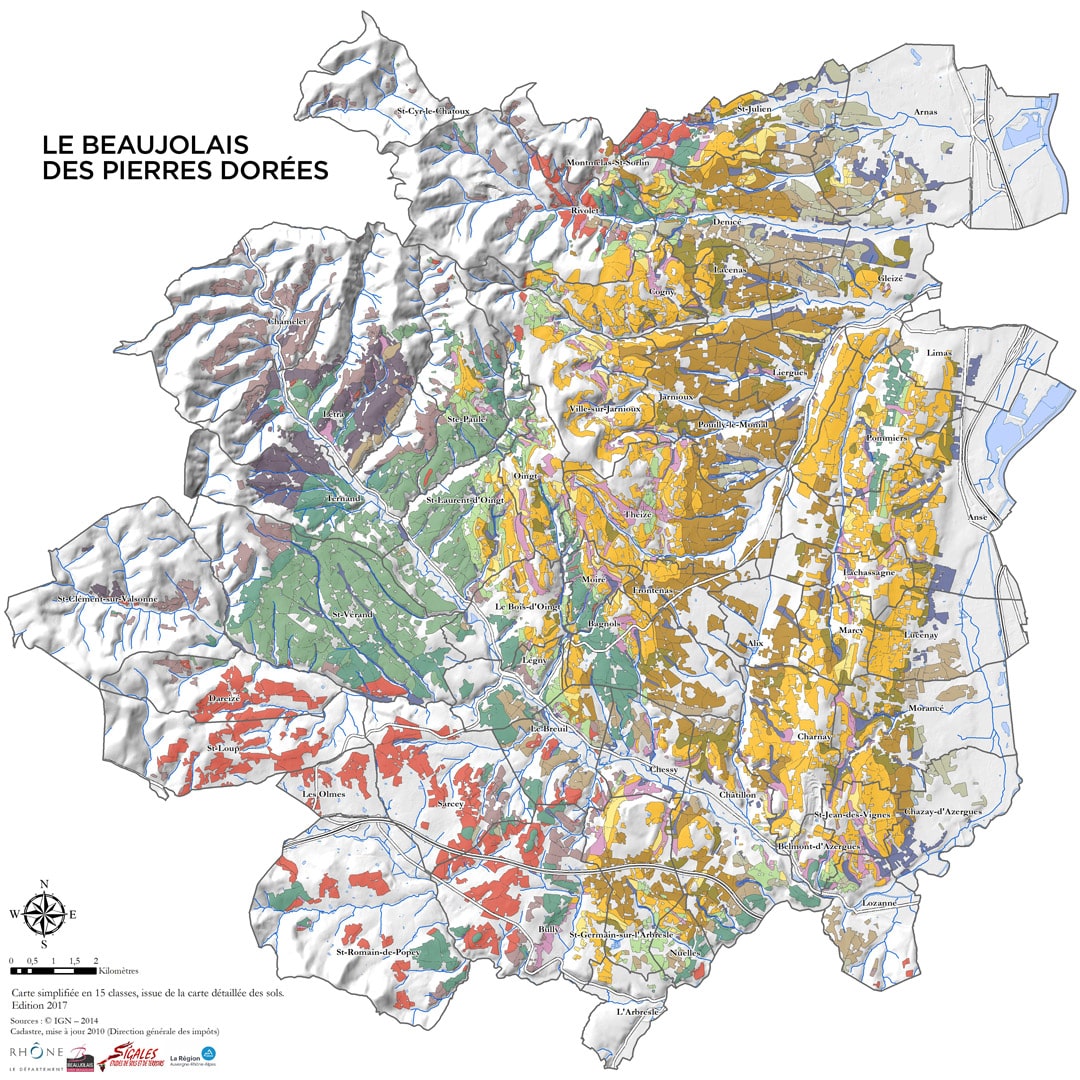
While it may only stretch some 50 kilometres from south to north, the Beaujolais region is unique in that it is extremely rich in terms of geology. It is often described as a “mosaic”, in reference to the many different soils that can be found there. In fact, there are no less than 300 different types of soil in the Beaujolais region. In 2018, UNESCO recognised this distinctive feature by awarding the region the label “UNESCO Global Geopark”.

The richness of the Beaujolais soils is particularly obvious in the Pierres Dorées. Tectonic movements as well as the effects of volcanoes and oceans have all helped shape the area. It’s this history that makes the geology of the Pierres Dorées area one of the richest and most complex in France.
-> Find out more about the Beaujolais soils.

Pierres dorées : des roches calcaires sédimentaires
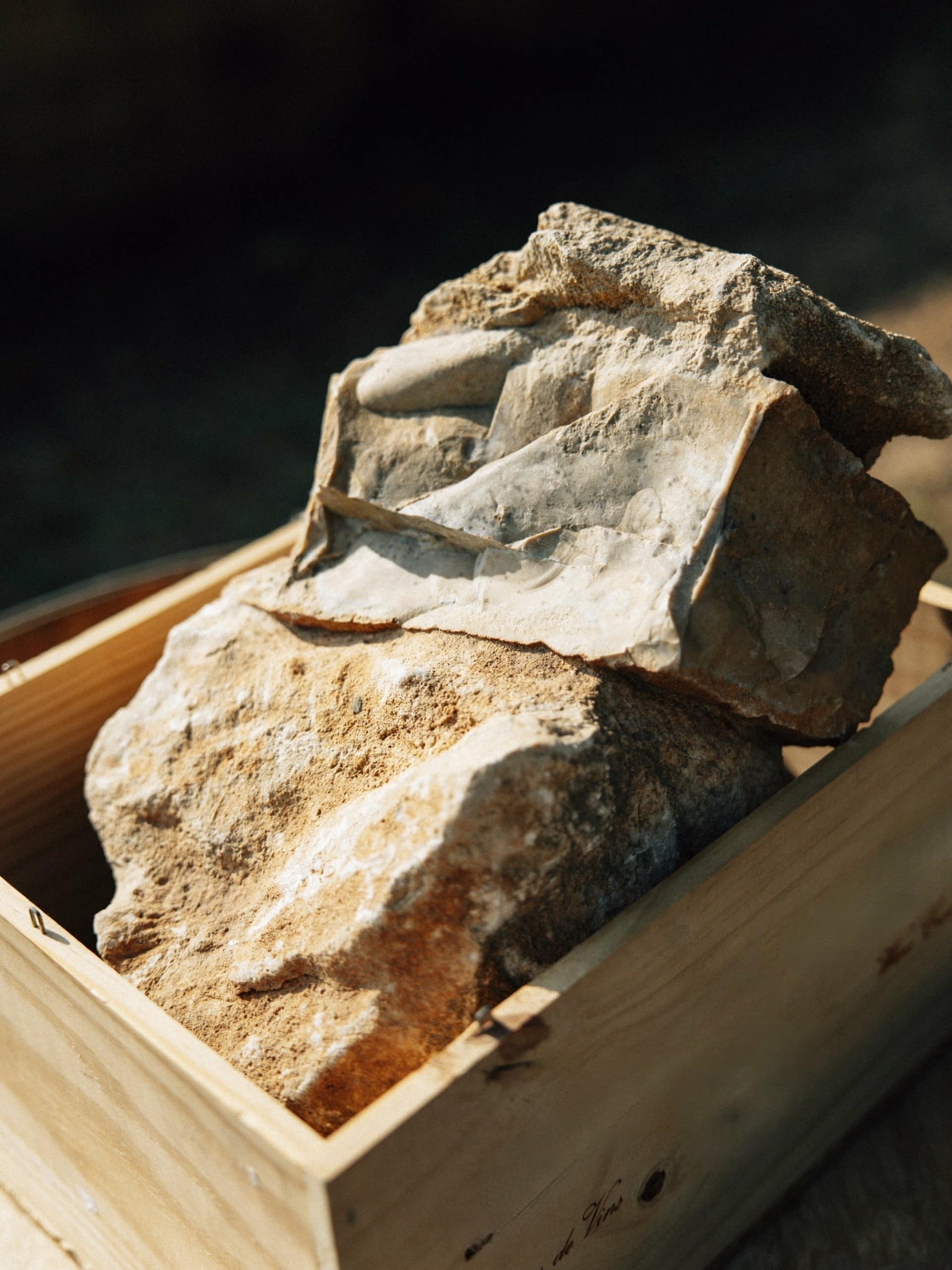
The “golden stone”: an iconic sedimentary limestone rock found in the Pierres Dorées area  © Jonas Jacquel
The Pierres Dorées area stretches from the village of Rivolet to the Saône river and from the village of L’Arbresle to Saint-Julien. © Soil-mapping agency Sigales 2017

“Studies show that all the soil profiles of the Beaujolais region can be found in the Pierres Dorées.”

Sylvain Flache, President of the cooperative winery Vignerons des Pierres Dorées

The geographical area of the Pierres Dorées contains limestone, iron oxides, clays and volcanic rocks. The oldest rocks in the Beaujolais region – granite and gneiss – can also be found there. To the east, a large part of the Pierres Dorées is composed of sedimentary rocks from the Mesozoic Era. In this area, limestone is interbedded with marl and sandstone. Throughout history, this overwhelming presence of limestone and marl helped establish a thriving stone-cutting industry in the Pierres Dorées. So, it is to this large part of the Pierres Dorées soil that we owe the name of this southern terroir of the Beaujolais appellation.

BEAUJOLAIS PIERRES DORÉES, WHAT IS YOUR FLAVOUR PROFILE?

Although we tend to associate “golden” with white, the Pierres Dorées area does not only produce white wines. And while its white wines do have a good reputation, it produces far more red wines. In 2023, winemakers claimed to have produced 19,638 hL of red wines (Gamay) and 3,739 hL of white wines (Chardonnay).

Complex and concentrated red wines

Beaujolais Pierres Dorées reds are part of the Beaujolais appellation. Gamay is the historic grape varietal of this area, where winemakers have always produced more red wines than white wines. They are fruity, well-structured and reveal aromas of black fruits as well as spicy notes. They are ruby-red in colour, smooth and round on the palate with a lingering finish.

The ageing process of Beaujolais Pierres Dorées is longer than for other Beaujolais wines, and takes place in vats or casks. They are long-keeping wines that can be drunk within 3 to 5 years of production, or more depending on the vintage. For example, winemaker Cyril Sapin (Domaine Sapin) says that bottles from 2020 or 2022 (solar years) can be left until 2028 or 2030!
Outstanding white wines

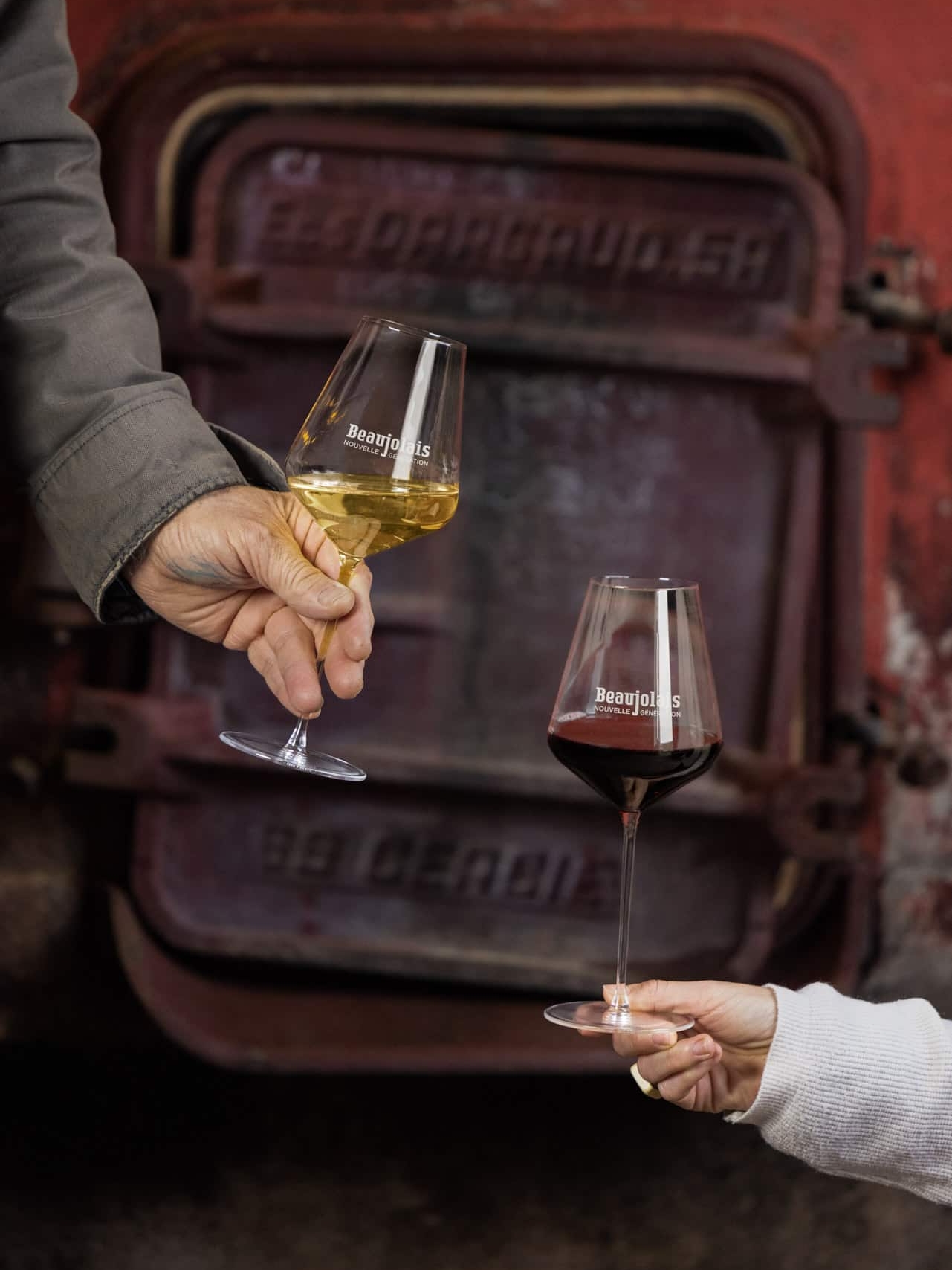
Beaujolais winemakers are particularly proud of their Beaujolais whites, which are well received. Some of the hills in the Pierres Dorées area are ideal for white wines. The Pierres Dorées area is rich in the clayey limestone soils that are particularly well-suited to growing Chardonnay and producing great terroir wines. Moreover, they gain in complexity from year to year as the Chardonnay vines age, having been planted more recently than the Gamay vines.
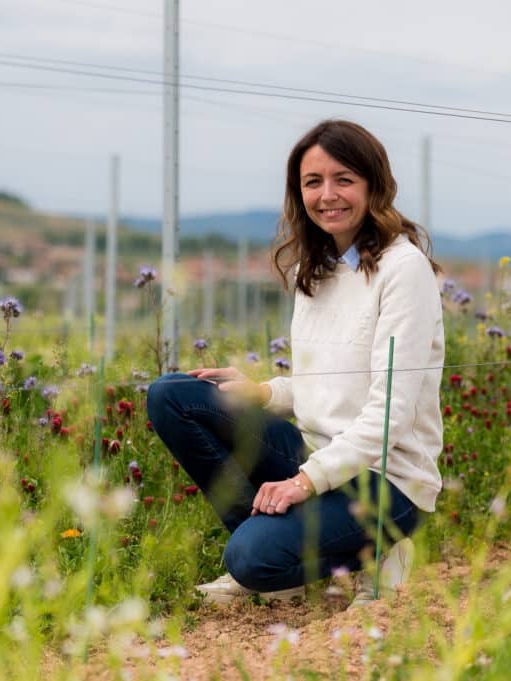
Marine Descombe, négociante et vigneronne en Beaujolais, © Famille Descombe, Dominique Fusina
Marine Descombe © Famille Descombe, Dominik Fusina

“We planted some Chardonnay vines on a family plot in Liergues, located on a wonderful limestone seam over 200 million years old. The result in the glass is breathtaking! The white wine it creates is fresh, mineral and has great tension.”

Marine Descombe, winemaker at Château de Pougelon (Saint-Etienne-des-Oullières)

Beaujolais Pierres Dorées whites are round, well-balanced and complex. They are golden in colour, just like the terroir they come from. They often reveal aromas of white fruits and flowers. Their time spent in casks can lend some of them slightly buttery and woody flavours. They are fresh and round on the palate with a lingering finish.

The ageing process of white wines, which is often long, gives them great ageing potential. Thanks to this ageing process, Beaujolais Pierres Dorées whites can be drunk between 1 and 6 years of production.

–> More information on Beaujolais whites
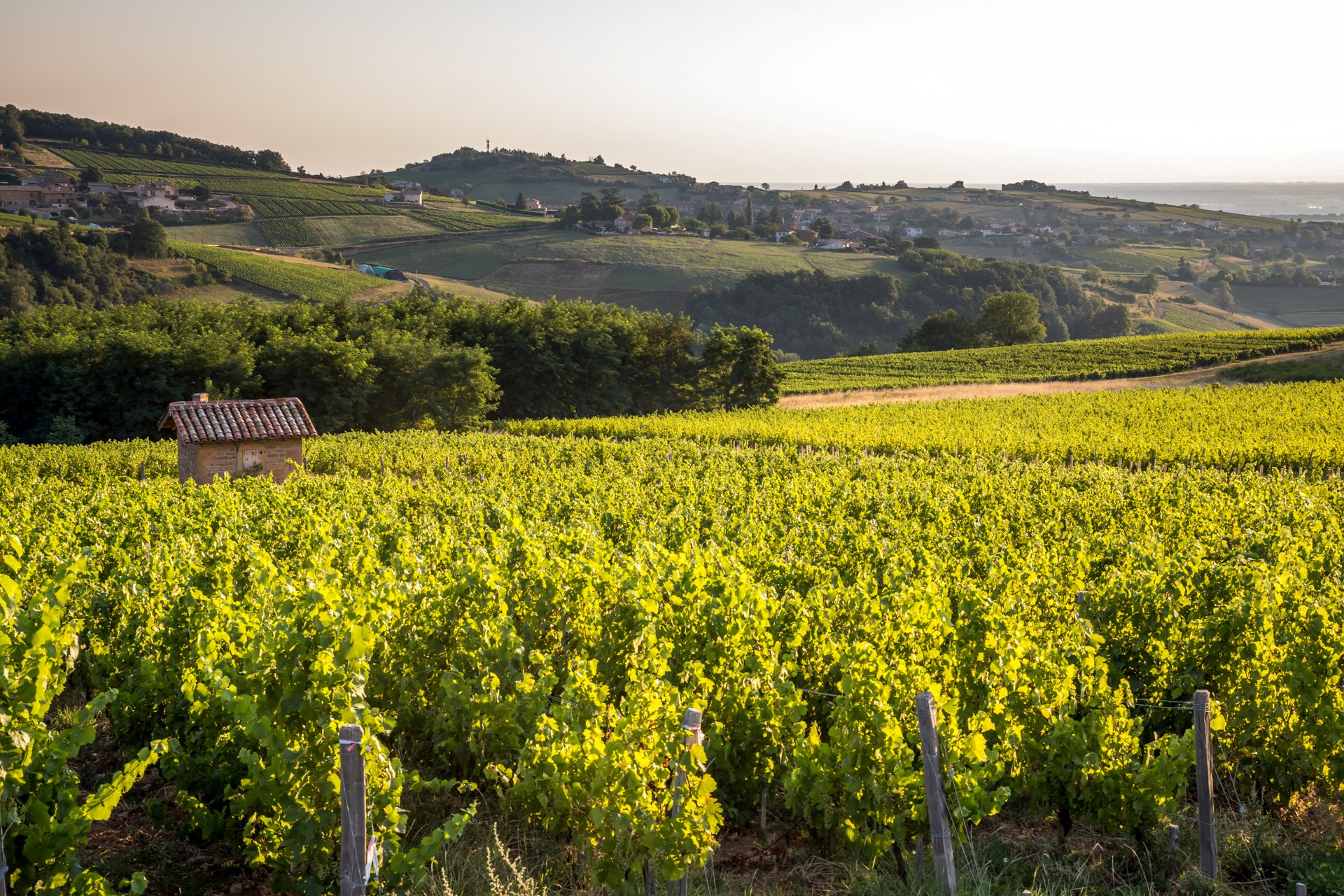
Paysage de vignes et cadole en Beaujolais Pierres Dorées
Cadole made of golden stones in the Beaujolais vineyard © Beaujolais Wines, Etienne Ramousse

A FUTURE DÉNOMINATION GÉOGRAPHIQUE COMPLÉMENTAIRE FOR PIERRES DORÉES WINES?

A collective promotes the uniqueness of Pierres Dorées wines

For several decades now, the “Pierres Dorées” indication has been popping up on the labels of bottles in the south of the Beaujolais region. In 2023, it could be found on more than 200 bottles, almost twice as many as in 2016. This indication enables consumers to pinpoint where the wines come from and winegrowers to differentiate their terroir-based cuvées. Although these wines claim to be “Pierres Dorées”, they are neither officially recognised nor geographically protected. In fact, nothing currently guarantees their origin or method of production.

“I’ve been putting ‘Pierres Dorées’ on the labels of my bottles since 2018. This name speaks to me, it echoes our heritage, the architecture of our houses…”

Cyril Sapin, winemaker at Domaine Sapin (Val d’Oingt)
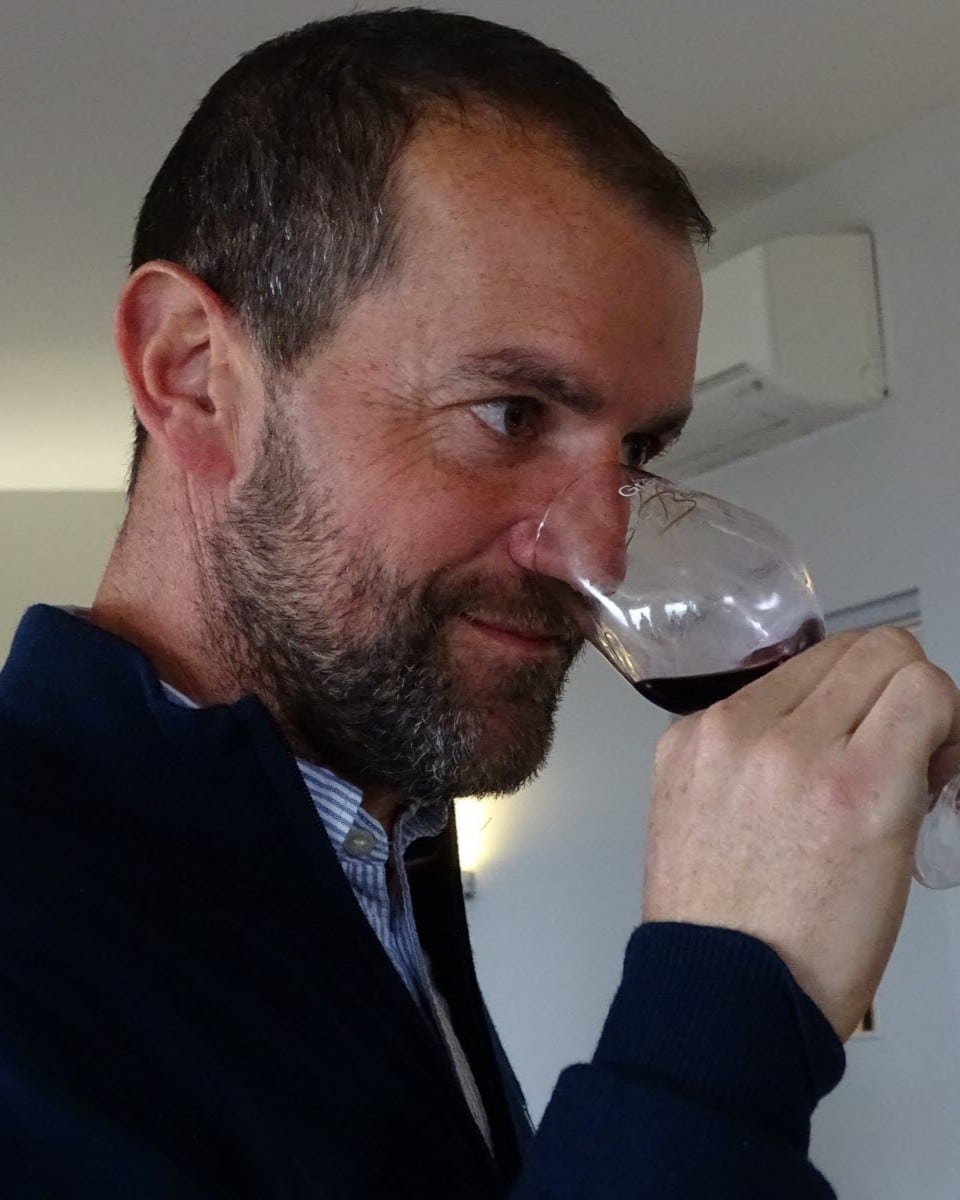
Cyril Sapin
Cyril Sapin © Le Progrès, Marie-Noëlle Toinon

For some 15 years, a collective of winemakers has been striving to obtain a “Dénomination Géographique Complémentaire” (DGC – Complementary Geographic Denomination) for Pierres Dorées wines. Their goal? To gain recognition for the unique identity of their wines produced within the Beaujolais appellation. This collective, called “Beaujolais Pierres Dorées”, aspires to bridge the gap between the people, vines and heritage of the area. It brings together both independent winemakers and wineries, as well as larger estates and wine cooperatives.

What is a Dénomination Géographique Complémentaire?

In the wine industry, it is possible to display specific indications such as a geographical denomination in addition to the appellation – for example adding “Pierres Dorées” to the Beaujolais appellation. This can both help consumers to more precisely identify where the wine is produced and promote the uniqueness of the product. After assessing the file and conducting a field survey, the INAO can decide whether or not to grant a Dénomination Géographique Complémentaire (DGC). This helps “to identify wines whose identity is linked to a territory smaller than that of the AOC”.

More information
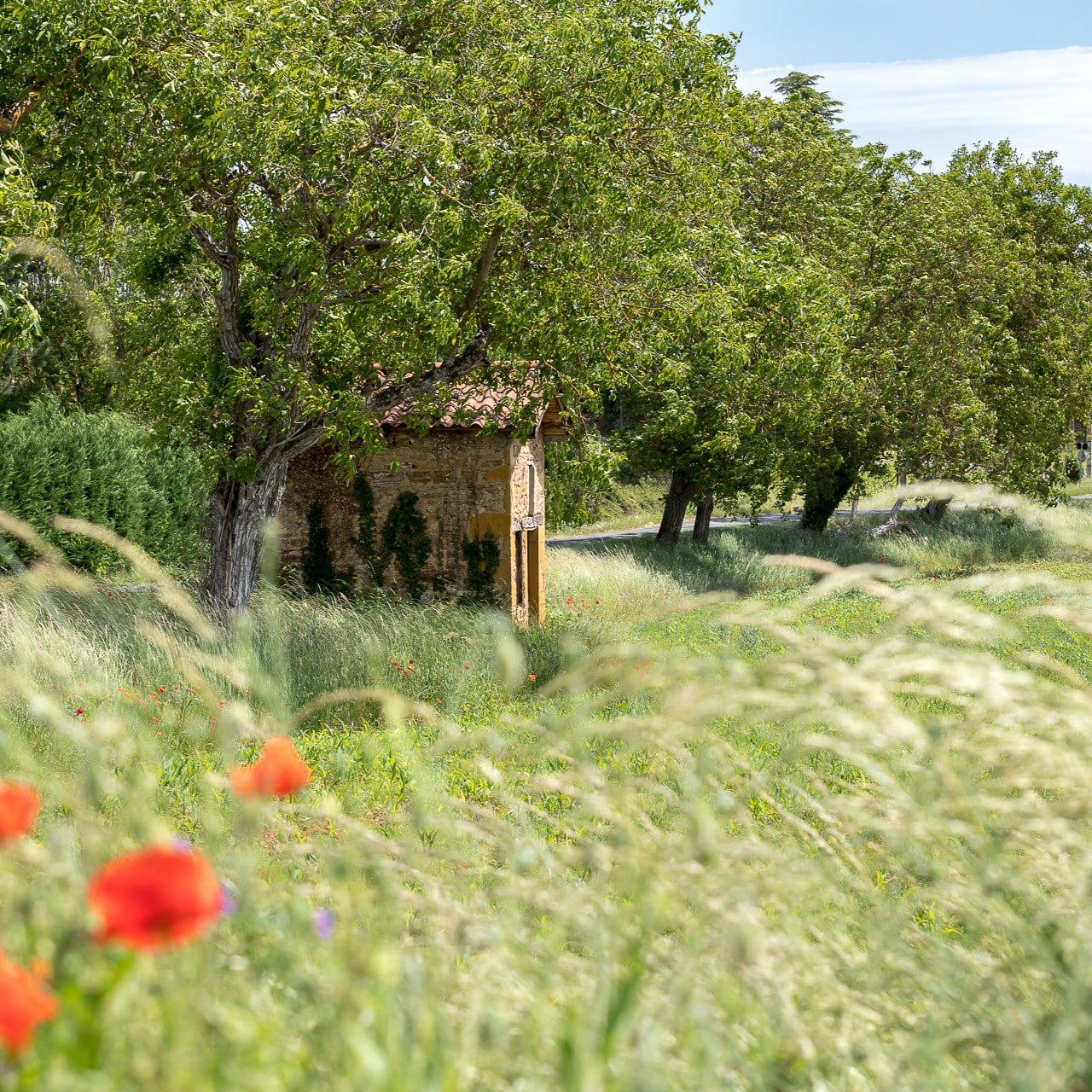
Cadole en Beaujolais Pierres Dorées, Etienne Ramousse
Cadole in Beaujolais Pierres Dorées © Beaujolais Wines, Etienne Ramousse
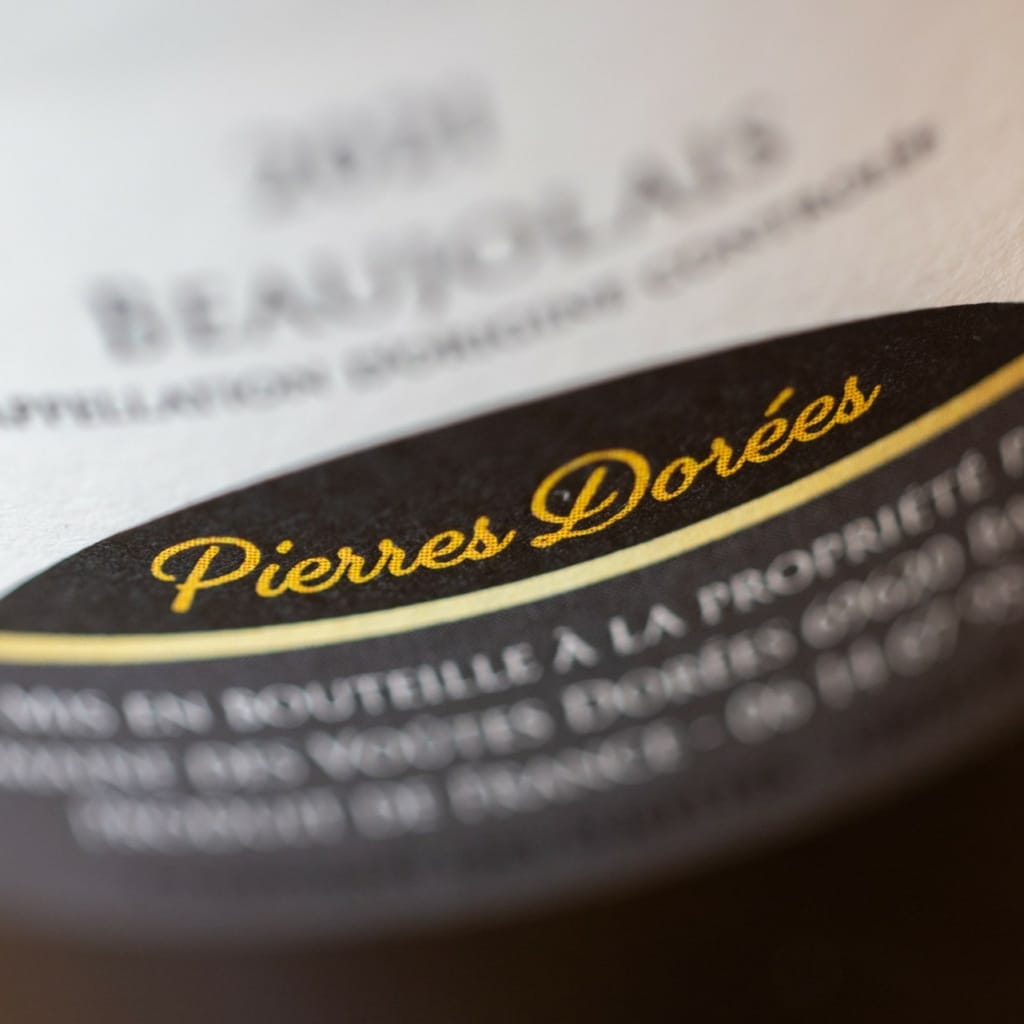
Etiquette de bouteille de Beaujolais Pierres Dorées, Studio Baalt
Label on a bottle of Beaujolais Pierres Dorées © Beaujolais Wines, Studio Baalt

Create a shared identity

Obtaining a DGC is a long process. It involves submitting a file attesting to the long-standing existence of the name, the involvement of the winemakers and the exceptional nature of the wines. In order to formalise their DGC request, the members of the “Beaujolais Pierres Dorées” collective split into working groups. Three commissions were set up: specifications, tasting and communication. WhatsApp groups, meetings, tastings… thanks to this organisation, the winemakers were able to formalise a shared vision. In 2017, they submitted their request to the INAO, who is currently in the assessment and discussion phase. Today, the collective shares a visual identity, as well as a set of specifications specific to Pierres Dorées wines.
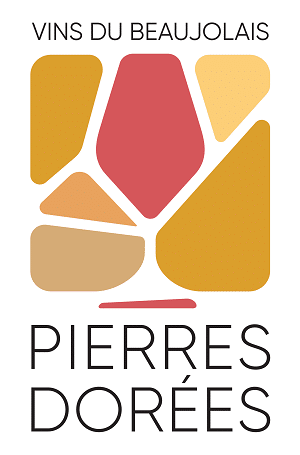
The logo of the Beaujolais Pierres Dorées collective illustrates the diversity of the plots and the colours of the wines, both red and white. The colour palette reflects the distinctive hues of the houses in the Pierres Dorées area. And in pride of place, a glass of wine. This logo consolidates the collective’s unique approach and identity.

“The ‘Beaujolais Pierres Dorées’ collective brings together people from all backgrounds, driven by the same desire to move forward together and to focus on quality.”

Sylvain Flache, President of the wine cooperative Vignerons des Pierres Dorées
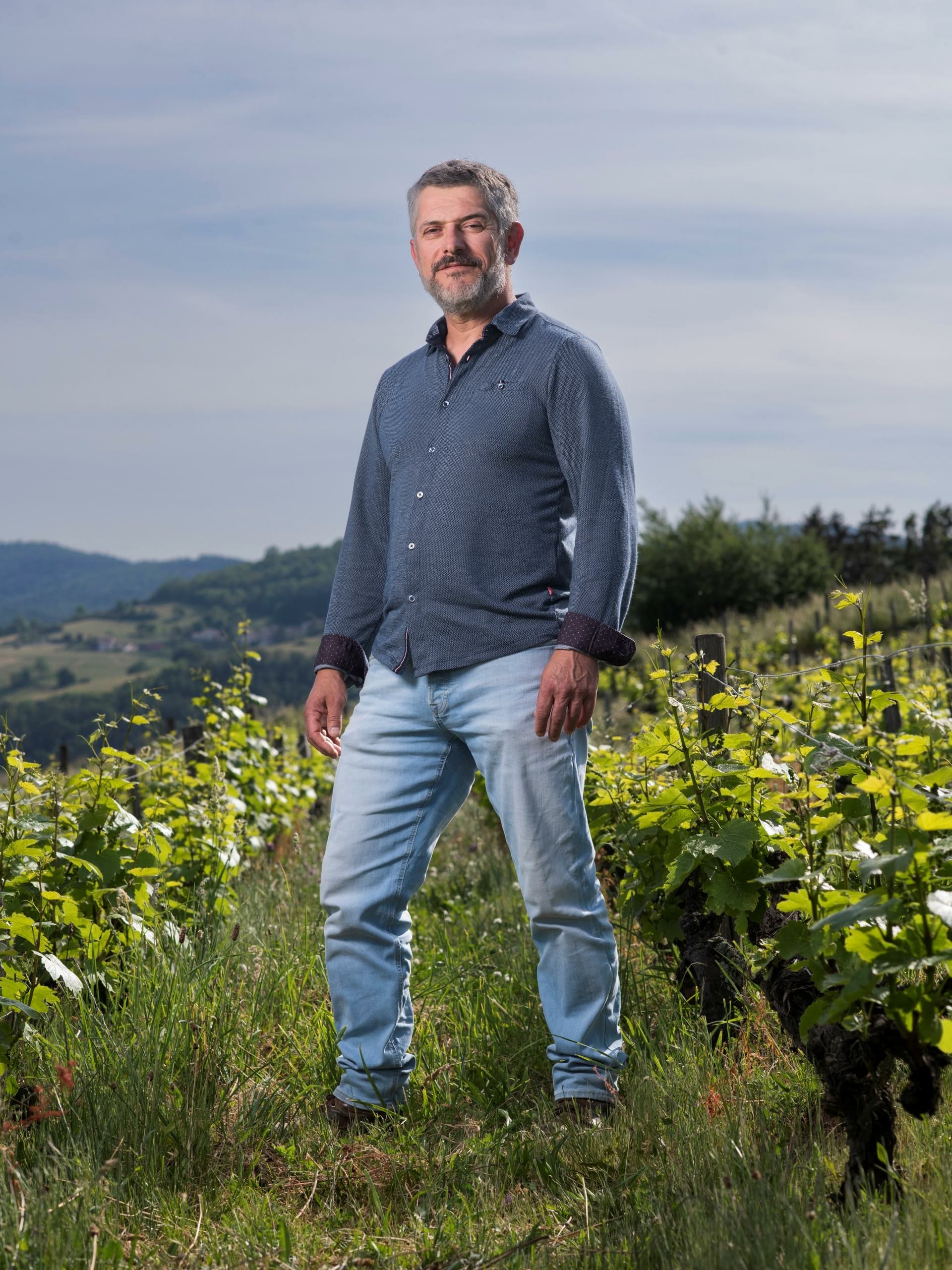
Sylvain Flache, Président de la cave coopérative Vignerons des Pierres Dorées
Sylvain Flache, Vignerons des Pierres Dorées © Compagnie de Burgondie

What does a Dénomination Géographique Complémentaire in the Pierres Dorées involve?

The file submitted to the INAO outlines a number of distinctive points for wines that could be granted a Beaujolais Pierres Dorées DGC:

  • A limited geographical area: the “Beaujolais Pierres Dorées” Dénomination Géographique Complémentaire will cover only part of the Pierres Dorées area.
  • Two colours: Beaujolais Pierres Dorées can only be red wines (Gamay) or white wines (Chardonnay).
  • A longer ageing process: Beaujolais Pierres Dorées have great ageing potential but can also be consumed the year after maturation. Their specifications suggest a long ageing period lasting until 30 March of the year following the harvest. This is 3 months longer than other wines of the Beaujolais appellation.
  • An environmental commitment: in terms of cultivation, the “Pierres Dorées” DGC requires an environmental certification (Organic Agriculture or certifications equivalent to HVE 2).
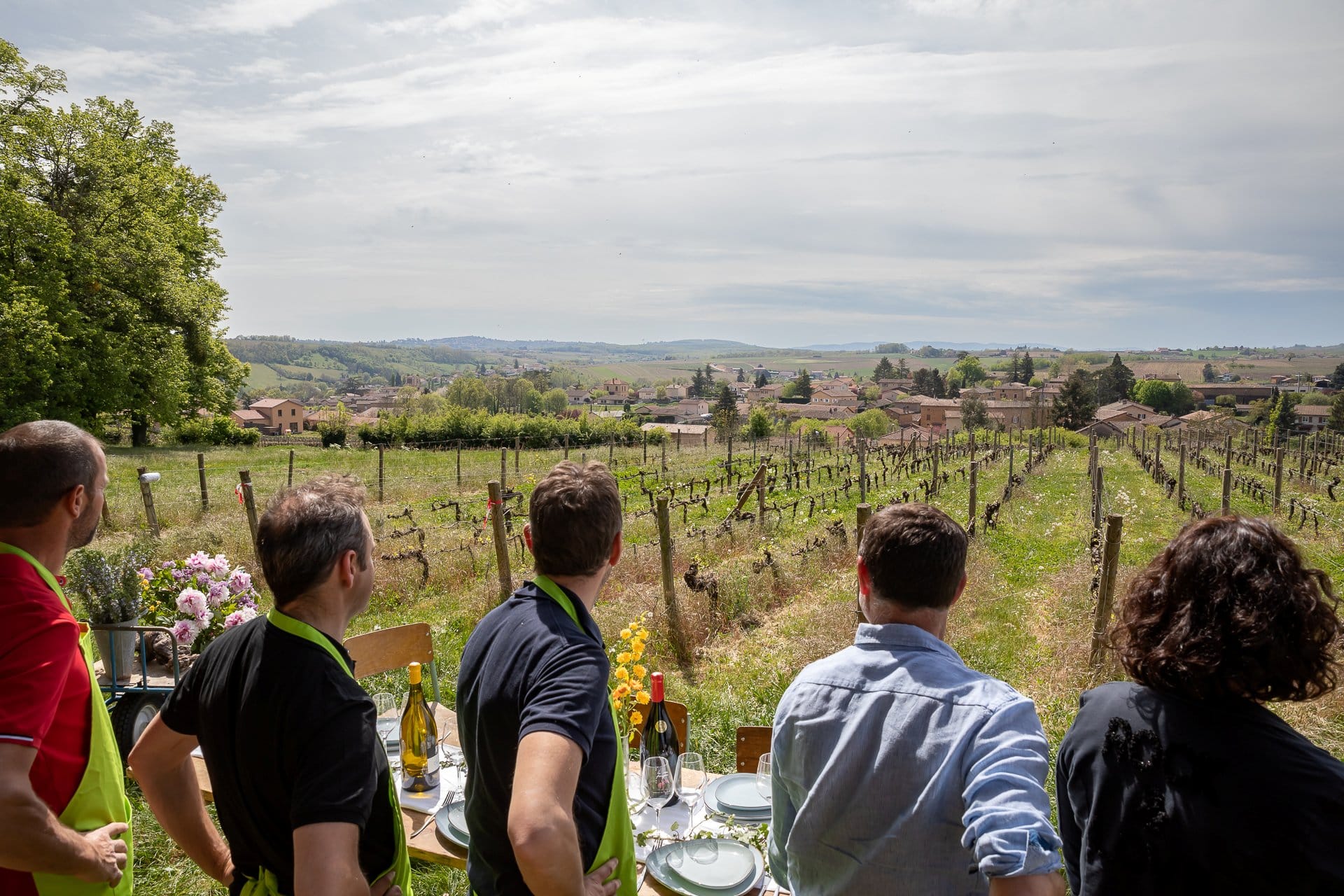
Le collectif Beaujolais Pierres Dorées en route vers une reconnaissance
The Beaujolais Pierres Dorées collective on its way to gaining recognition © Beaujolais Wines, Etienne Ramousse

How far has the “Beaujolais Pierres Dorées” collective got?

The “Beaujolais Pierres Dorées” file was submitted in 2017 and, after several rounds of correspondence, is now under review. An INAO commission of enquiry is currently underway and will decide whether or not to approve the DGC request. However, the collective has not waited for the DGC to be granted before making itself more widely known. To this end, it has created communication tools (i.e., a logo and a website) and attended more events, such as Sirha for example, to raise its profile.

The popularity of Pierres Dorées wines is growing, particularly among wine professionals. A competition called “Excellence Pierres Dorées” has taken place every year in the Beaujolais region since 1998. Restaurant owners, wine merchants, oenologists, sommeliers as well as the winemakers themselves take part in a tasting of a selection of Beaujolais Pierres Dorées wines. The winners may receive a diploma and an “Excellence Pierres Dorées” badge, but above all, this event aims to bring people together. It puts the spotlight on these wines while also giving an account of their development. In 2024, the panellists declared that they were “happy to see that the appellation is improving in quality each year”. (Le Progrès).
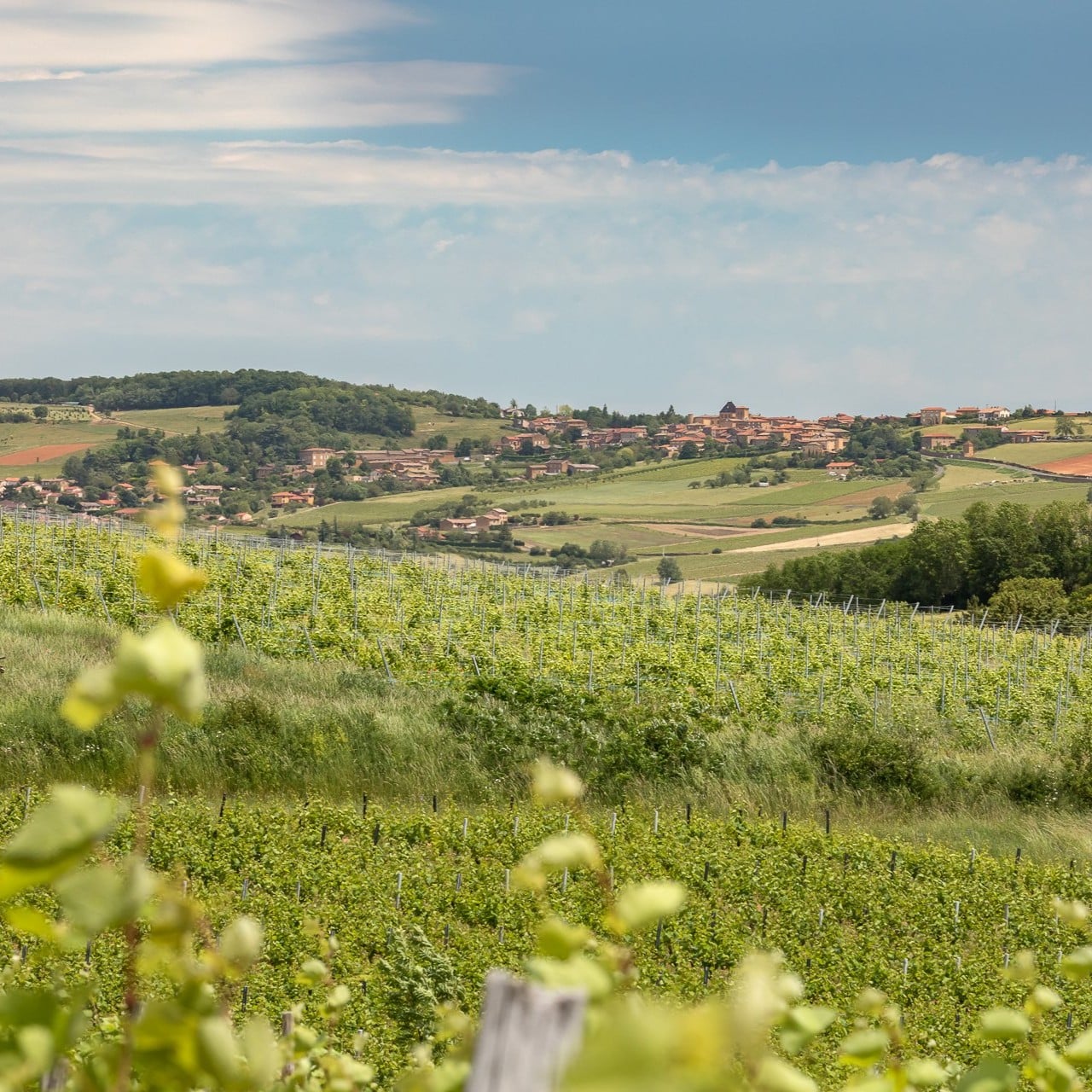
Vineyards near Charnay in Beaujolais Pierres Dorées © Beaujolais Wines, Etienne Ramousse
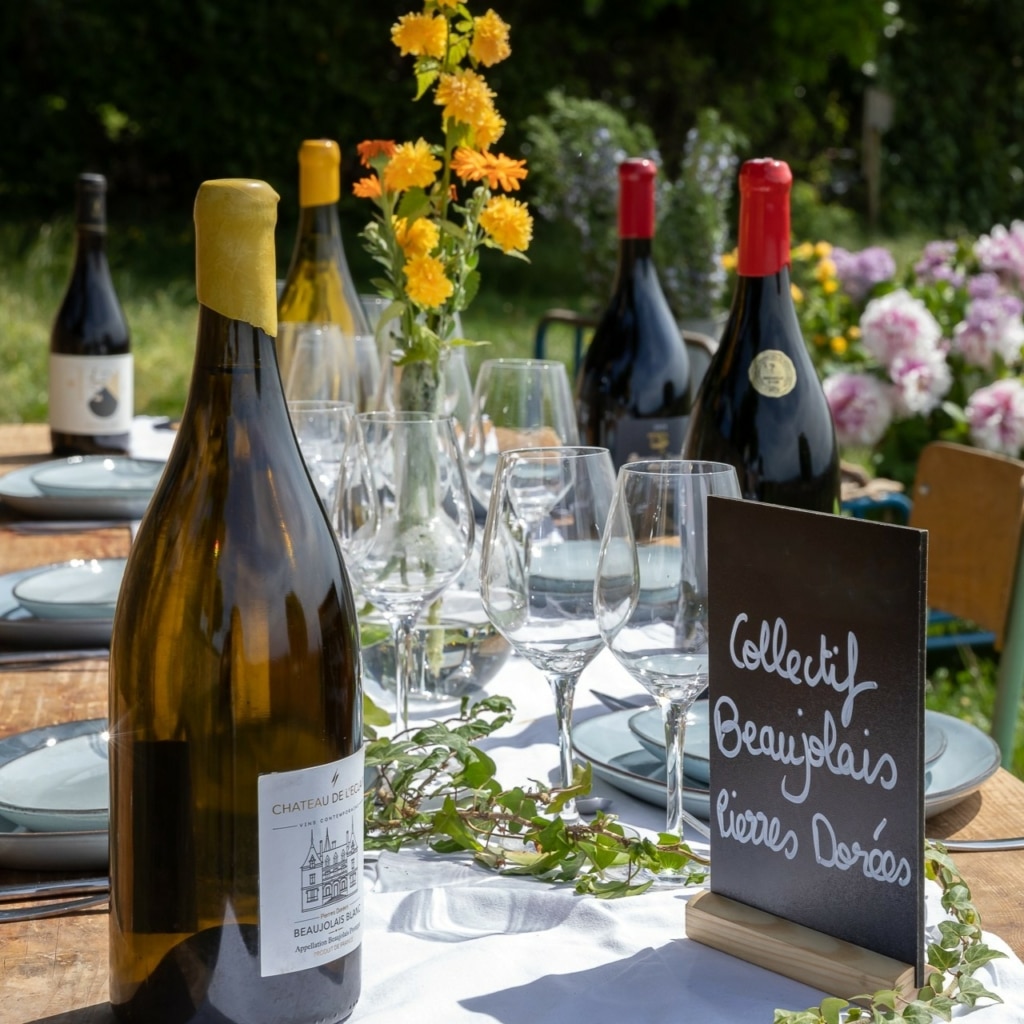
Beaujolais Pierres Dorées, red and white wines © Beaujolais Wines, Etienne Ramousse

As you can see, the Pierres Dorées are hoping to gain recognition for their age-old vines, iconic buildings and wines that are firmly rooted in their terroirs. This desire to set in stone an identity that is unique to the Pierres Dorées area has driven its winemakers for several years. While the DGC application may take several more years, its outcome remains unknown. But one thing’s for sure: the collective momentum has already helped this facet of the Beaujolais region to shine!
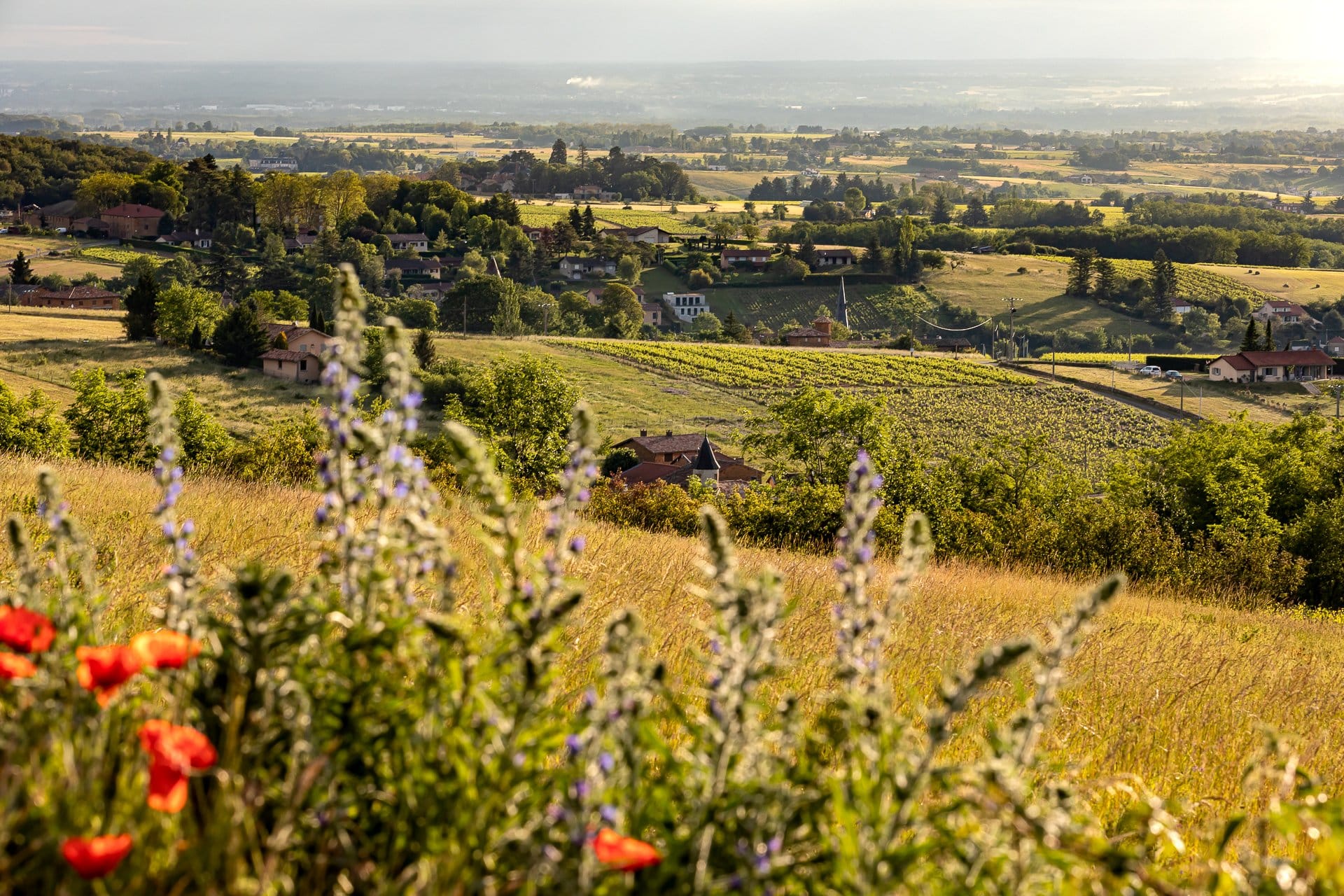
Paysage de Pierres Dorées en Beaujolais
Landscape of the Pierres Dorées in the Beaujolais region © Beaujolais Wine, Etienne Ramousse

Posted on

Beaujolais Whites, hidden gems

Did you know that in France white wines have overtaken reds in the hearts of consumers*? And that chardonnay is by far the French people’s favourite grape variety? And that’s fortunate because it’s precisely with this variety that Beaujolais estates, cellars and wineries work to produce their white wines. Overview of these gems which are highly valued by connoisseurs!

*Source: SOWINE/Dynata 2024 Barometer

Beaujolais White, what is your flavour profile?

The Beaujolais White and Beaujolais Villages appellations are true revelations for those lucky enough to try them. Even though they are all made from chardonnay grapes, these white wines all express themselves differently from one cuvée to another and reveal the qualities of the terroir.

Beaujolais and Beaujolais Villages white © Studio Baalt 2021
Beaujolais whites are produced in Beaujolais and Beaujolais Villages AOC © Studio Baalt 2021

Beaujolais whites have a bouquet full of white flowers as well as citrus and white flesh fruit aromas. The Beaujolais Villages white appellation is known for its heroic plots: specific, very hilly, terroirs with different types of soils (granite, blue stone, limestone…). The white wines produced under this appellation provide mineral notes and a certain intensity.

In terms of the wine making process, Beaujolais white wines are usually obtained after directly pressing chardonnay bunches and a 15-day fermentation period in vats. The wine is sometimes matured in oak barrels but also in casks. Known for their excellent value for money, Beaujolais whites and Beaujolais Villages whites have been a favourite with wine lovers for several years now.

From the north to the south, the Beaujolais terroirs are ideal for Chardonnay

It’s no secret to anyone that clayey-limestone soils and chardonnay go hand in hand. The largest white wine terroirs are limestone. Luckily, the Beaujolais vineyard also has clayey-limestone soils. Mainly located in the Pierres Dorées and on the doorstep of the Mâconnais region, these areas include several chardonnay plots.

-> Click here for more information about the Beaujolais soils.

Map of the Beaujolais soils, 2018 © Sigales

Sonja Geoffray, winemaker at Château Thivin, produces two white wines including the Beaujolais white “Clos de Rochebonne” in the Pierres Dorées. Matured in barrels, this wine is complex on the palate and offers mineral notes. In this area in the south of the Beaujolais region, well-known for its brightly coloured limestone, a group of winemakers assert the typicality of their wines and, for several years now, the “Pierres Dorées” indication has earned a place on their labels.

Chardonnay in the Beaujolais vineyards, Studio Baalt 2021
Bucket of chardonnay, wine harvest in the Beaujolais region © Studio Baalt 2021
Beaujolais white, Château Thivin, Clos de Rochebonne 2021
Beaujolais white Pierres Dorées, Château Thivin Clos de Rochebonne © Studio Baalt 2021

“By focusing on chardonnay, we are breathing new life into the magnificent region that is the Pierres Dorées.”

Sonja Geoffray, Château Thivin

Beaujolais whites are not just produced on clayey-limestone soils. The estates, cellars and wineries with chardonnay plots in Beaujolais Villages are experimenting with various soils (including granite and blue stone). The results in the glass are surprising and bear witness to the fact that the organoleptic properties of chardonnay vary from one plot to another. The richness of the soils in the Beaujolais region ensures the richness and variety of its white wines.

The estates, cellars and wineries located in the north of the vineyard are also seeking recognition for the quality of their white wines. They are more precise on their labels in order to assert their singularity. We can now see the names of communes such as “Beaujolais Leynes white” or “Beaujolais Lantignié white” on labels.

Sébastien Besson from Domaine du Penlois in Lancié is a member of a group of winemakers determined to gain recognition for the white wines produced on the Chatelard hill. A fourth-generation winemaker on the estate, his wines have received three awards in the Best Chardonnay in the World competition.

When and with what should you drink Beaujolais white wines?

Beaujolais white wines are ideally drunk young. They generally reach their potential within 5 years of production. Some great cuvées however have good ageing potential. These bottles can be opened at any time and are best enjoyed between 10 and 12°C. While white wine is often served with the apéritif, Beaujolais whites can go perfectly well with a main course.

Some examples? Cauliflower curry, spice-crusted salmon or even Mac’n Cheese pair wonderfully with Beaujolais white wines.

Beaujolais Villages white and Mac’n cheese, Emma Vernay 2024
Mac’n’ Cheese and Beaujolais Villages white Axiome, Domaine Les Capréoles, © Emma Vernay 2024

Sonja Geoffray likes to pair her Beaujolais white with a simple quiche, or even fish, either grilled or with a sauce. Sébastien Besson recommends pairing his white wines with white meat, goat’s cheese or seafood. In his opinion, his cuvée “La Criée”, characterised by its freshness, calls out for a platter of oysters and good company.

Glass of Beaujolais white © Studio Baalt 2021
Sébastien Besson, winemaker in Lancié, Beaujolais

“Working with chardonnay is thrilling, especially with a beautiful terroir such as ours. Our whites pair wonderfully with a platter of oysters or at a mâchon – an authentic Lyon breakfast – in good company”

Sébastien Besson, Domaine du Penlois

Beaujolais whites, like Beaujolais rosés, are of the highest quality and deserve to be (re)discovered. With a grape varietal acclaimed the world over (that can pride itself on having a ‘Chardonnay-day’), varied terroirs and winemakers determined to get the best out of them, Beaujolais whites have a bright future ahead of them!

Key figures for Beaujolais whites in 2023:

  • In volume, 4% of the wines produced
  • 574 hectares of vines harvested
  • Around 450 producers
  • 2.3 million bottles from the Beaujolais appellation and 930,000 from Beaujolais Villages
Chardonnay in the Beaujolais vineyards, Studio Baalt 2021
Chardonnay berries from the Beaujolais vineyard, Studio Baalt 2021
Posted on

Festive meals: 7 food and Beaujolais wine pairings

The festive season is here! It’s finally time to choose the meals and wines that you will serve to your friends and family. You like Beaujolais wines, but aren’t sure how to pair them with your Christmas dinner? If this is the case, you will like our 7 food and wine pairings for festive Beaujolais meals!

Apple tatin with pan-seared foie gras, a starter for a festive meal with a Beaujolais white
Apple tatin with pan-seared foie gras, Pierres Dorée Beaujolais white © Beaujolais Wines / Meg & Cook

Apple tatin with pan-seared foie gras with Beaujolais white

Foie gras is a classic starter on any festive menu in France. Whether it is pan-seared or simply sliced, served with chutney or jam, it is delicious! But to stop it being too heavy, be careful what you pair it with! Choose a Pierres Dorées Beaujolais white, as its minerality and acidity will bring freshness to this generous dish.

Click here for the apple tatin with pan-seared foie gras recipe.

Roasted scallops with citrus butter and Beaujolais Villages white

Scallops are often served during the festive period. But have you ever cooked them with an orange and clementine sauce? These tangy notes pair wonderfully with a Beaujolais Villages white. What’s more, this wine will bring out the iodine aromas of the scallops and balance out this voluptuous dish.

Click here for the roasted scallops with citrus butter and vanilla infused butternut squash purée recipe.

Holiday meal : Roasted scallops with citrus butter and Beaujolais white
Scallops with citrus butter and vanilla infused butternut squash purée © Beaujolais Wines / Bloom Velvet
Beaujolais festive meals: Roasted quail with clementines, spices and new potatoes
Roasted quail with clementines, spices and new potatoes, Juliénas © Beaujolais Wines / Bloom Velvet

Roasted quail with clementines, spices and new potatoes, Julienas

Here is a Christmas dish with a twist on the traditional capon! Roasted quail with clementines and spices has all the character needed to accompany a Juliénas. So why not try this delicate game dish this year?

Click here for the roasted quail with clementines, spices and new potato recipe.

Roasted venison with chanterelle mushrooms, mashed potatoes and cranberry sauce

What better than a slow-cooked game dish to go with your Morgon? The tenderness of the venison, the rustic touch of the mushrooms and the fruitiness of the cranberry sauce are a perfect match for Morgon.

Click here for the roasted venison with chanterelle mushrooms, mashed potatoes and cranberry sauce recipe.

Festive meal and Beaujolais : Roasted venison with chanterelle mushrooms, mashed potatoes and cranberry sauce, Morgon
Roasted venison with chanterelle mushrooms, mashed potatoes and cranberry sauce, Morgon © Beaujolais Wines / Meg & Cook
Duck confit, foie gras, butternut squash and fig pie & Moulin-à-Vent

Duck confit, foie gras, butternut squash & fig pie with Moulin-à-Vent

The holidays are here, let us indulge in a decadent Christmas meal: duck confit, foie gras, butternut squash & fig pie. We might as well go all in with a bottle of Moulin-à-Vent Rochegrès.

Click here for the duck confit, foie gras, butternut squash & fig pie recipe.

Turkey in lemon and sage butter with Beaujolais and Beaujolais Villages Nouveaux

If to you, Christmas day rimes with poultry, then you should try this revisited recipe! A welcome twist on the traditional holiday turkey. And for a juicy wine pairing, your recently bought Beaujolais and Beaujolais Villages Nouveaux will come in handy!

Click here for the turkey in lemon and sage butter recipe

Turkey in lemon and sage butter with Beaujolais & Beaujolais Villages Nouveaux © Beaujolais Wines / Emma Vernay
Candied kumquat, passion fruit and lime yule log, a festive dessert with a Beaujolais Villages rosé
Candied kumquat, passion fruit and lime yule log, Beaujolais Villages rosé © Beaujolais Wines / Meg & Cook

Candied kumquat, passion fruit and lime yule log

At the end of a festive meal, we all want something sweet but light. This kumquat, passion fruit and lime yule log is the prefect dessert to end a meal, especially when served with a Beaujolais Villages rosé. A fresh pairing for a gourmet and tangy dessert.

Click here for the kumquat, passion fruit and lime yule log recipe.

These are our 7 favourite recipes for festive Beaujolais meals.  We hope you all enjoy some wonderful beaujonomic and convivial moments. And click here for more recipes as well as more food and Beaujolais wine pairings!

Posted on

2020 vintage in Beaujolais : the vintage of the decade

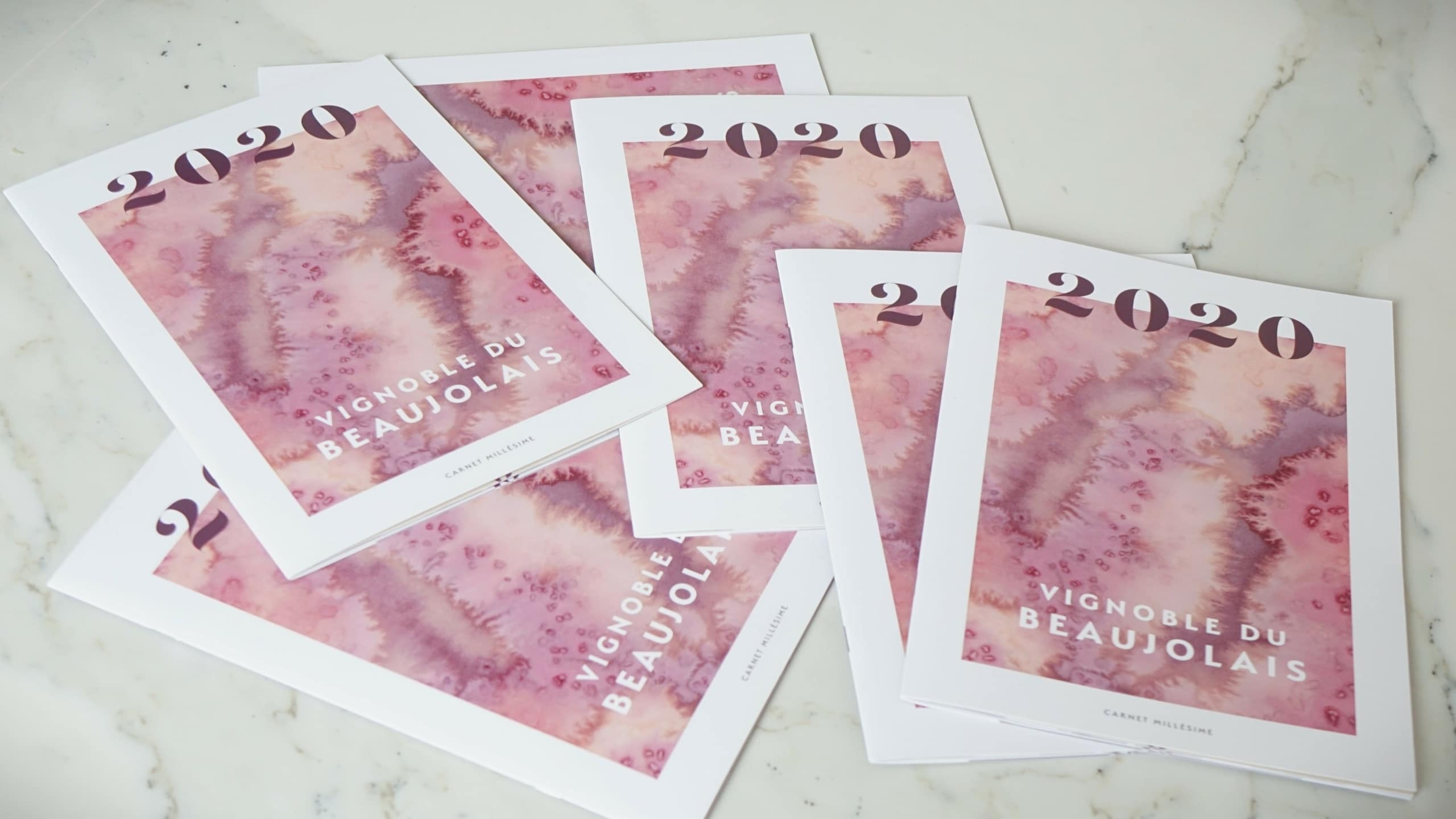
Carnet millésime 2020

The Beaujolais region has had many outstanding vintages in recent years, and 2020 was no exception. The success of this vintage is attributed to the exceptional conditions that have been offered to winemakers, allowing them to produce their signature wines.

Let’s dive into the factors that contributed to making 2020 the vintage of the decade for Beaujolais.

2020 : excellent weather conditions

The distinctive results of 2020 can be attributed to a range of factors, including the exceptional weather conditions that prevailed throughout the seasons. The year was characterized by dry and hot weather early on, which ensured optimal grape ripening and excellent vine health. Although there were occasional rains and temperature drops, these were timely and prevented overripe berries as well as significant yield reductions. Many Beaujolais producers agree that these very favorable conditions have produced great wines,

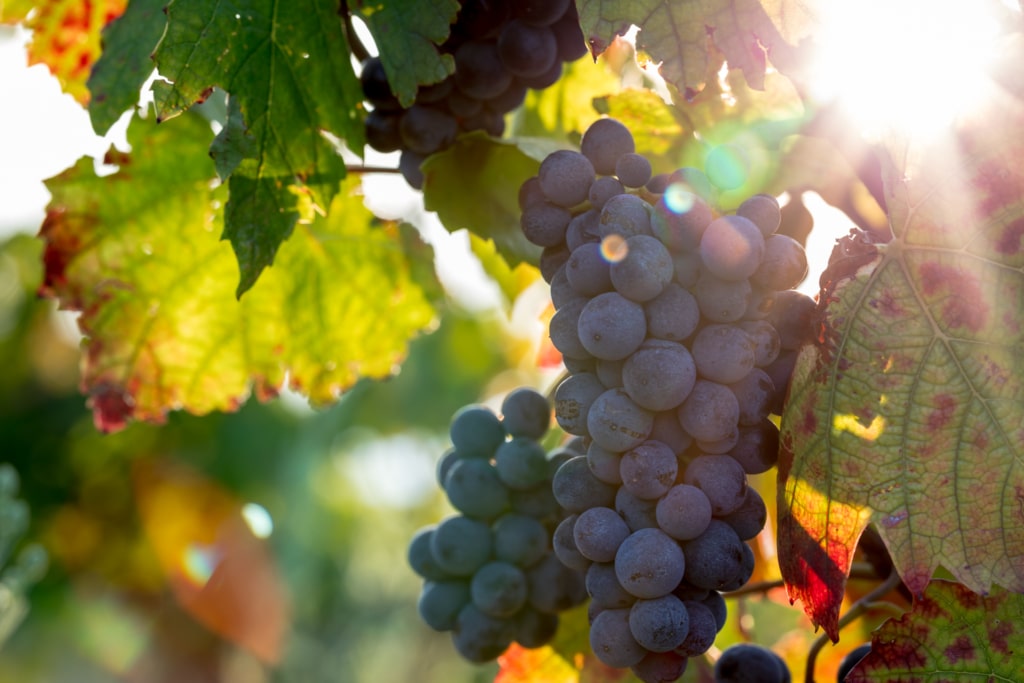
Gamay grape in summer
Gamay grape in summer – Beaujolais Wines / Etienne Ramousse

“Power, balance, freshness, fruitiness, roundness, and complexity… everything is there!”

Philippe Viet, winemaker in Régnié-Durette

2020 : ripeness, freshness and balance

Ripeness, freshness, and balance are the hallmarks of the 2020 vintage.

The warm temperatures allowed for beautiful ripening of the grapes and stems, providing winemakers with the opportunity to choose their preferred style, whether it be power or elegance.

Production methods were rethought which resulted in the discovery of wines with unique styles, offering new possibilities for gastronomic pairings. Cover crops, mulching, long macerations, low-temperature vinification, or extended aging were some of the techniques employed by winemakers to achieve their desired styles.

Although the alcohol concentration in this vintage is significant, it is beautifully balanced by the wines’ refreshing acidity. This harmony of sugars and acids results in a genuine balance that characterizes the wines of 2020.

2020 vintage : an expression of the Terroir

2020 wines express the terroir in a variety of profiles, depending on the specificities of their land. To learn more about the richness of Beaujolais soils, refer to the page The Beaujolais Vineyard, a Mosaic of Soils.

They gained power in some cases, taking on notes of black fruits, spices, and aromatic herbs from the south. In other cases, they are more delicate, revealing fresher, more lively aromas, and delicate tannins.

The aromatic profiles of the wines vary from one appellation to another, sometimes even from one plot to another, due to the extremely rich geology of the vineyard.

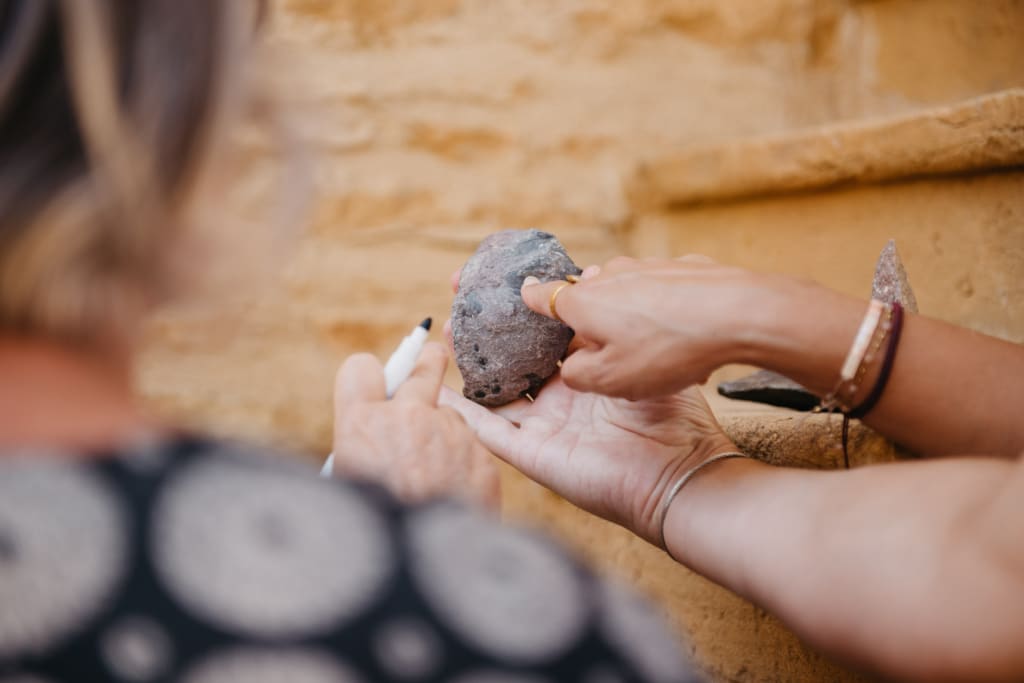
Rocks in Beaujolais
Rocks in Beaujolais – Floriane Tanneur / Beaujolais Wines

With their distinct characteristics and nuances, the 2020 wines exhibit a remarkable aging potential, ensuring they will endure the test of time.

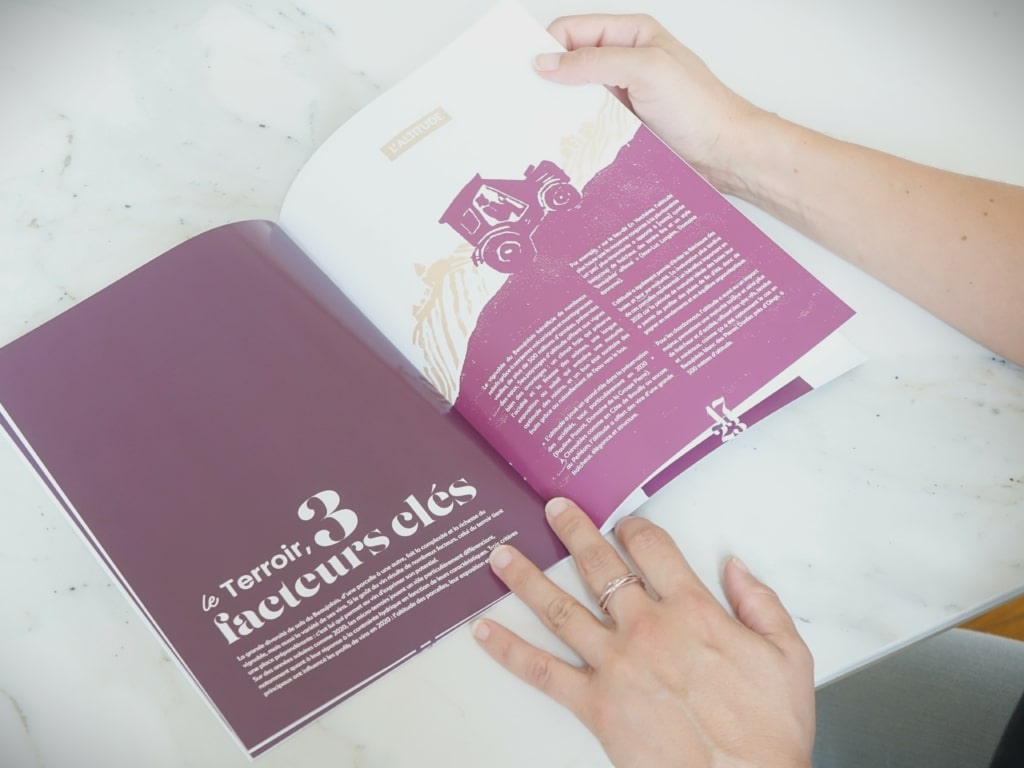
The 2020 vintage is so particular that it got a dedicated booklet. Should you be curious to learn more, please refer to the detailed 2020 vintage report linked below.

Feel free to order the paper version of the 2020 vintage report on our online store.